Walk-In Clinics in Belgium: Do They Exist and How to Use Them
Finding yourself sick and needing immediate medical attention without an appointment is one of the most stressful experiences a foreigner can face. I remember the panic of my first Belgian winter, standing in the rain outside a closed clinic, wondering why "urgent care" didn't seem to exist. This guide solves that mystery by explaining how to access walk-in care and its local alternatives.
Understanding the Belgian Approach to Walk-In Care
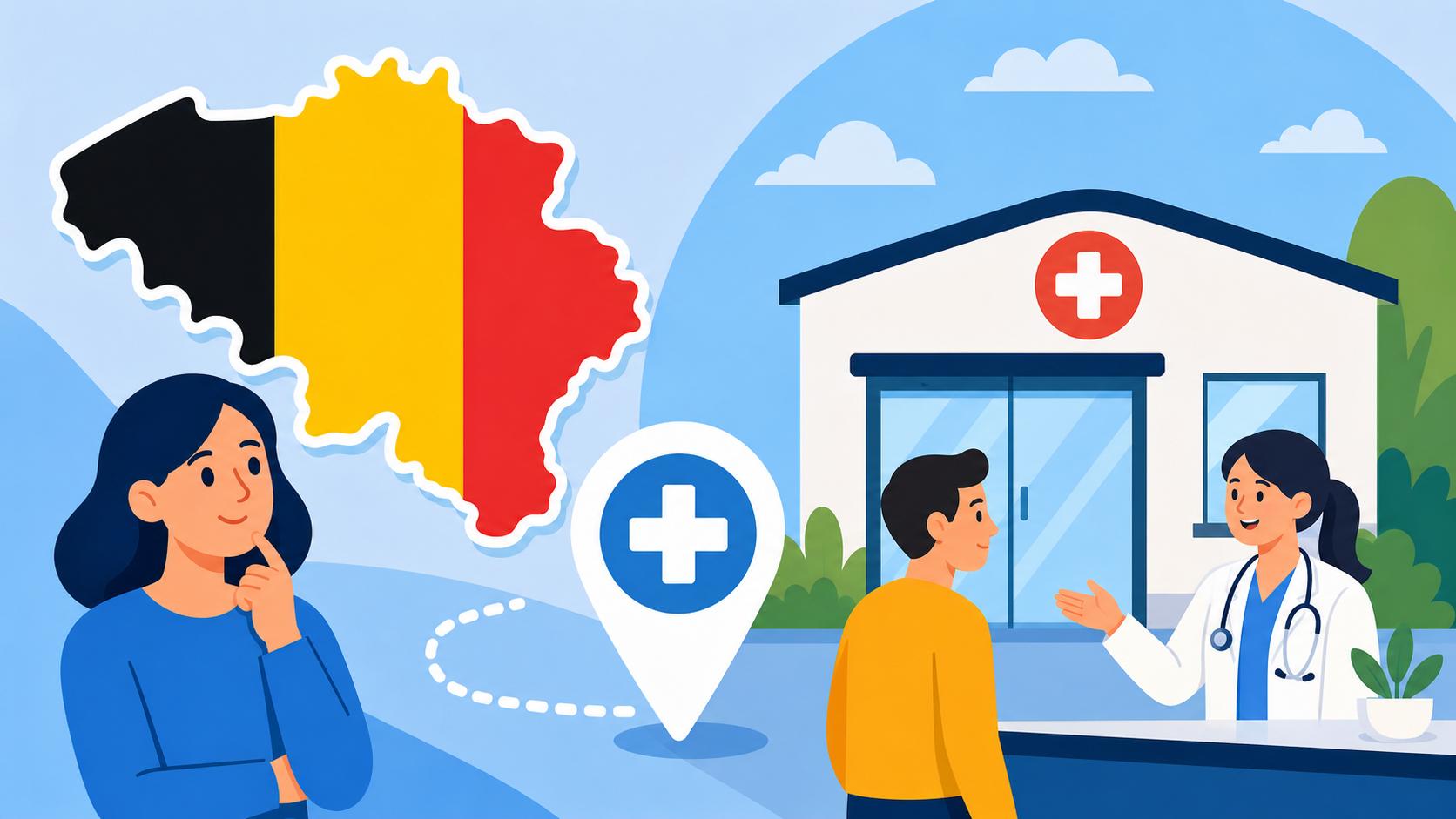
If you are coming from the United States, the UK, or Australia, you are likely used to the concept of "Urgent Care" or "Walk-in Centres" that occupy storefronts in every major neighborhood. In Belgium, the medical landscape is structured quite differently. The system is built almost entirely around the General Practitioner (GP), known as a Médecin Généraliste in French or a Huisarts in Dutch. Most of these doctors operate out of small private practices or shared "medical houses" (Maisons Médicales or Wijkgezondheidscentra).
The historical norm in Belgium has been the "consultation" model, where you call ahead to book a slot. However, the surge in the expat population in cities like Brussels, Antwerp, and Ghent has led to a slow evolution. While you won't find a neon sign saying "Walk-In Clinic" very often, there are specific "open cabinet" hours (Heures de consultation libre / Vrije raadpleging) where you can simply show up, put your name on a list, and wait your turn. These are the closest things to traditional walk-in clinics you will find in the country.
Navigating this requires a bit of local "insider" knowledge. For instance, many doctors only offer these walk-in hours early in the morning, sometimes as early as 7:30 AM. If you arrive at 9:00 AM, you might find the list already full. It is a system based on patience and early rising. If you are just starting your journey here, understanding Finding Medical Care in Belgium: GPs, Specialists, and Hospitals is the first step in realizing that the GP is your gatekeeper to everything else. Without a regular doctor, your "walk-in" options are limited to these specific windows of time or the more expensive emergency services.
For many expats, the lack of immediate "storefront" medical care can be a shock. We are used to convenience, but the Belgian system prioritizes the long-term relationship between doctor and patient. This is why it is vital to register with a local fund as soon as possible. You can find the details on how to do this in our Mutuelle and Ziekenfonds: Public Health Insurance Registration Guide. Once registered, even these walk-in visits become highly affordable, often costing you only a few euros out of pocket after reimbursement.
Where to Go When You Need a Doctor Right Now
When a sudden fever strikes or a minor injury occurs, and you cannot wait three days for an appointment, you have three primary paths. The first is searching for a Permanence Médicale. In Brussels, places like the Centre Médical du Parc or various clinics near the European Quarter often have doctors on duty who can see patients without a prior booking, provided you are willing to wait. These centers act as a hub for multiple GPs who rotate shifts to ensure someone is always available during business hours.
The second path is the digital one, which has revolutionized the "walk-in" experience in Belgium over the last few years. Instead of walking physically to a clinic, most expats now use "digital walk-in" methods. Apps like Doctena and Rosa allow you to filter for doctors who have "availability today." This effectively serves the same purpose as a walk-in clinic but saves you from sitting in a crowded waiting room for three hours. I highly recommend Using the Rosa App: Booking Medical Consultations Online as it is free for patients and increasingly popular among younger, English-speaking doctors in the major cities.
If you find that the digital apps are showing no slots and the local clinics are full, your third option is the "Garde" system. Belgium has a robust after-hours service. If your "walk-in" need happens after 6:00 PM or on a weekend, you should not go to a standard clinic. Instead, you look for a Poste de Garde or Wachtpost. These are centralized clinics specifically designed for urgent but non-life-threatening issues that occur when regular offices are closed. You can learn more about how to access these in our guide on After-Hours Medical Care: On-Call Doctors (Garde/Wacht).
For those who prefer a premium experience or have international coverage like Cigna Global, you might find that private medical centers in the Louise or Schuman areas of Brussels offer more flexibility. While they still prefer appointments, their staffing levels often allow them to squeeze in an urgent case more easily than a neighborhood GP might. Having a private policy from a provider like Cigna Global can often simplify the billing process for these types of last-minute visits, especially if you haven't yet received your Belgian eID card.
Navigating the Hospital Emergency Room
There is a common mistake that many newcomers make: going to the ER (Urgences or Spoedgevallen) for a simple prescription refill or a mild sore throat because they cannot find a walk-in clinic. In Belgium, this is highly discouraged and can be very expensive. Hospital ERs use a triage system, and if you arrive with a non-urgent issue, you will be placed at the bottom of the list. I have seen people wait six to eight hours in the ER of CHU St-Pierre simply because their issue could have been handled by a GP.
If you truly believe your situation is an emergency, you should not hesitate. You can call the centralized emergency number for help. For a breakdown of what happens when you call, see Emergency Numbers: Calling 112 in Belgium and What to Expect. However, for a "walk-in" type of need—think a sprained ankle, a deep cut that might need a few stitches, or a sudden high fever—some hospitals have a "Fast Track" or a GP-led station within the ER. This is designed to divert minor cases away from the trauma surgeons and towards generalists.
When you do go to the ER, make sure you have your ID and insurance fragments with you. The costs can mount up quickly if you are not properly covered. We have a detailed walkthrough on Going to the Emergency Room (Urgences/Spoedgevallen) in Belgium that explains the billing process. Interestingly, the cost of an ER visit is significantly higher if you are not referred by a doctor or if the triage nurse determines your case was not a "real" emergency. This is the state’s way of keeping the ER clear for life-threatening situations.
While waiting in the ER or a walk-in clinic, it is helpful to have some basic health supplies at home to manage symptoms. I often tell my fellow expats to stock up on essentials through iHerb, especially for things like high-quality electrolytes, vitamins, or specific over-the-counter supports that might be harder to find in the local Apotheek. Using iHerb allows you to get familiar brands from home which can be a huge comfort when you’re feeling miserable and waiting for medical advice.
Specialized Walk-In Services and Alternatives
Outside of general medicine, there are a few areas where "walk-in" culture is actually the standard in Belgium. One of the best examples is sexual health. Clinics like the Help Center in Antwerp or the Aids Reference Centers in various university hospitals often have dedicated walk-in hours for STI testing and consultations. These services are usually anonymous or highly discreet and are a fantastic resource for the expat community. You can find more specific locations in our article on STI Testing in Belgium: Anonymous Clinics and Regular GP Visits.
Another vital "walk-in" alternative is the local pharmacy. Belgian pharmacists are highly trained and have a much broader scope of practice than in some other countries. If you have a minor ailment—like a skin rash, an eye infection, or digestive issues—the pharmacist is often the best first "walk-in" stop. They can provide professional advice and sell you "behind the counter" medications that don't require a full prescription but are stronger than what you find on the shelves. For more on this, check out Pharmacies and Medication in Belgium: Prescriptions and OTC Rules.
For parents, the "walk-in" need is often the most acute. If your child wakes up with a mysterious rash or a barking cough, you don't want to wait for an app to refresh. Many pediatricians in Belgium reserve the first hour of their day for "emergencies" where you can just show up. Additionally, some larger hospitals have specialized pediatric emergency rooms that function much more like the walk-in clinics we are used to. You can find details on managing these situations in Pediatricians in Belgium: Routine Vaccines and Child Checkups.
Finally, keep in mind the financial aspect of these visits. Whether you use a walk-in hour at a GP or a specialized center, you will usually pay the doctor directly and then seek reimbursement. This is where the "Global Medical Record" comes into play. If you have registered a DMG (Dossier Médical Global) with a specific doctor, your co-pay for any doctor—even a walk-in one—is often lower. You can read about how these refunds work in our guide on Healthcare Budgeting: Copays, DMG/GMD, and Reimbursements.
| Service Type | Typical Hours | Appointment Needed? | Best For |
|---|---|---|---|
| GP Open Cabinet | 07:30 – 09:00 (varies) | No (First-come, first-served) | Minor illness, sick notes, quick checks |
| Rosa / Doctena | 24/7 (Booking) | Yes (but same-day often available) | Urgent needs during business hours |
| Wachtpost (Garde) | Evenings & Weekends | Usually No (call 1733 first) | Non-life-threatening issues when GPs are closed |
| Hospital ER | 24/7 | No | Life-threatening emergencies, serious injury |
| Pharmacy | Business Hours | No | Minor ailments, OTC meds, professional advice |
Tips for a Successful "Walk-In" Experience
If you decide to use a doctor's open consultation hours, arrive at least 20 minutes before the session starts. Belgians are punctual, and a "walk-in" list can fill up before the doctor even opens their door. Bring a book or a fully charged phone; waiting rooms in Belgium are notoriously "no-frills" and you might be there for a while. Also, ensure you have cash or a Bancontact-enabled app, as many smaller practices still do not accept credit cards like Visa or Mastercard.
Communication is key. While most Belgian doctors under 50 speak excellent English, it helps to have your symptoms written down or translated if you are visiting a practice in a more rural area. If you are using a premium international insurance like Cigna Global, keep your membership card handy, but be prepared to pay upfront and claim back later, as "direct billing" is mostly reserved for large hospital stays rather than simple walk-in visits.
Lastly, don't forget that your mental health is just as important as your physical health. Moving to a new country is hard, and the frustration of navigating a new medical system can take its toll. If the stress of "finding a doctor" is becoming too much, remember that there are resources specifically for us. You might find comfort in looking through our guide on Mental Health in Belgium: Therapy, Psychiatry, and Expat Support to find someone to talk to.
Disclaimer
The information provided in this guide is for educational and informational purposes only and does not constitute professional medical advice, diagnosis, or treatment. Always seek the advice of your physician or another qualified health provider with any questions you may have regarding a medical condition. Never disregard professional medical advice or delay in seeking it because of something you have read on this website. The healthcare system in Belgium is subject to change, and users should verify the latest procedures with their local commune or Mutuelle.