Buying Paracetamol and Ibuprofen in Belgium: Pharmacy Only Rules
You’re in the middle of a grocery run at a Delhaize or Carrefour, your head is pounding from the grey Brussels drizzle, and you head to the "health" aisle only to find nothing but band-aids, shampoo, and herbal tea. I remember my first week in Belgium, roaming the supermarket aisles for twenty minutes looking for a simple bottle of Tylenol, feeling completely bewildered and frustrated. This guide solves that confusion by explaining exactly how the Belgian pharmacy monopoly works and how to navigate it like a local.
The Pharmacy Only Monopoly: Why the Supermarket Shelves are Empty
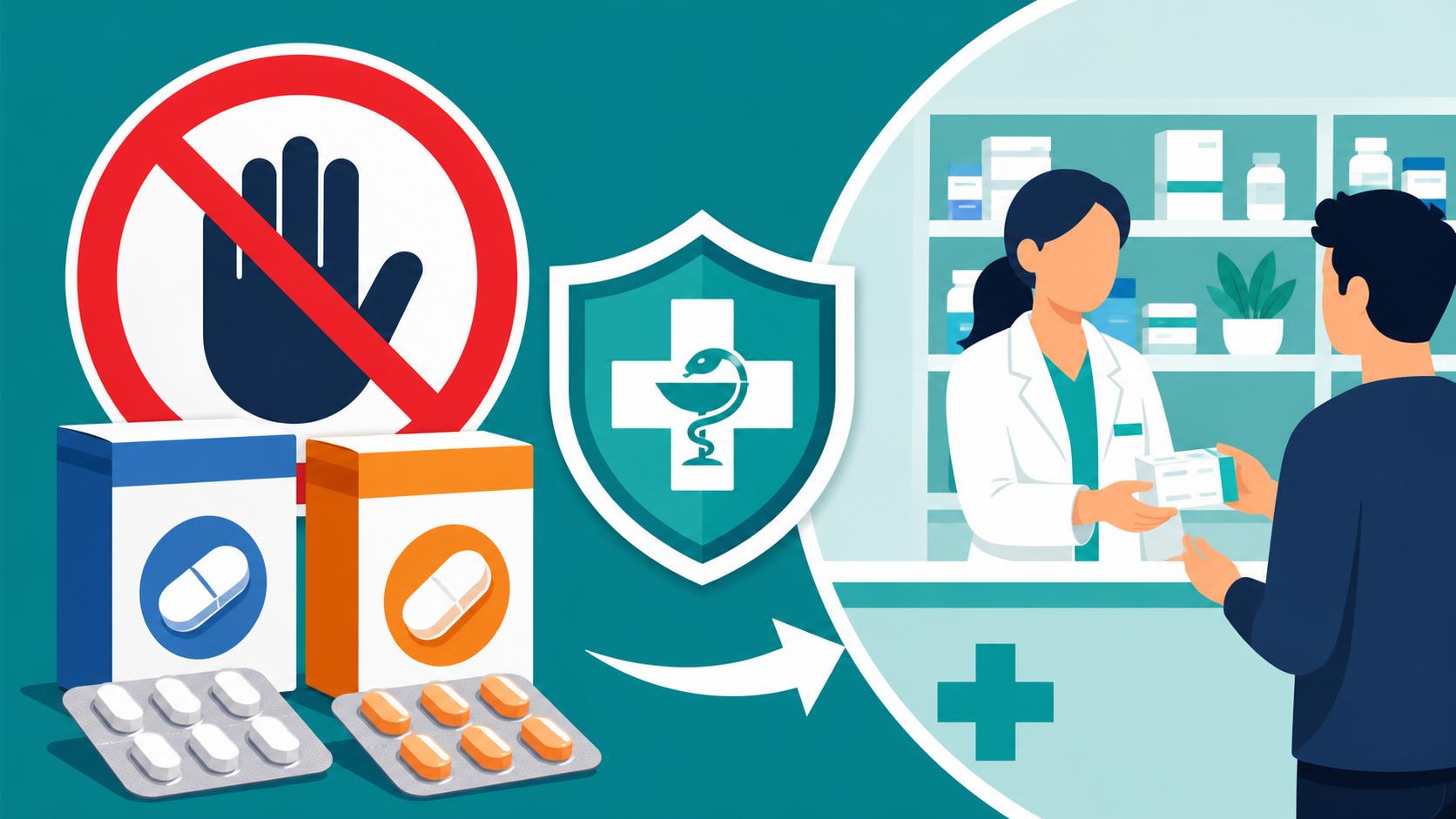
In many countries, picking up a pack of 500mg paracetamol is as routine as buying a carton of milk. You find them at gas stations, convenience stores, and every major supermarket. In Belgium, however, the law is incredibly strict: any substance classified as a "medicinal product"—even basic pain relief—must be sold exclusively in a licensed pharmacy (known as an Apotheek in Flanders and a Pharmacie in Wallonia and Brussels).
This often comes as a massive shock to expats. The reasoning behind this is rooted in a deeply paternalistic but well-intentioned healthcare philosophy. The Belgian government believes that even "simple" drugs like ibuprofen require the oversight of a trained professional who can warn you about dosage, stomach irritation, or potential drug interactions. While it feels like a massive inconvenience when you just want a quick fix for a headache, it is a non-negotiable part of the Healthcare in Belgium for Expats: Complete System Overview (2027).
You will not find a single tablet of ibuprofen in a grocery store. If you see something that looks like medicine in a supermarket, it is likely a "supplement" or a highly diluted homeopathic remedy. For those who prefer to manage their wellness through high-quality supplements and vitamins without a pharmacy trip, brands like iHerb can be a lifesaver, but for the actual "hard stuff" like paracetamol, the green neon cross of the pharmacy is your only destination.
The Role of the Pharmacist
When you enter a pharmacy, you aren't just visiting a shopkeeper; you are visiting a healthcare provider. Do not be surprised if they ask you who the medication is for or if you are taking other treatments. They are legally obligated to ensure you aren't accidentally doubling up on medications. This is why Pharmacies and Medication in Belgium: Prescriptions and OTC Rules are so rigid.
If you have a complex medical history or are moving from abroad, having a robust international plan like Cigna Global can help bridge the gap between your home country's expectations and the local Belgian reality, especially if you need to consult specialists to get local versions of your regular prescriptions.
Navigating the Belgian Apotheek and Pharmacie System
Finding a pharmacy is usually easy—just look for the bright green neon cross. However, the way they operate is quite different from the 24/7 CVS or Boots you might be used to. Most pharmacies follow standard retail hours, usually closing between 18:30 and 19:00, and many take a lunch break between 12:30 and 14:00.
If your headache strikes at 9:00 PM on a Tuesday, or heaven forbid, on a Sunday when the entire country seems to shut down, you need to use the "on-call" system. This is where the Emergency Medical Care in Belgium: 112, Hospitals, and Pharmacies system becomes vital.
The Pharmacie de Garde / Apotheek van Wacht
Every neighborhood has a rotation of pharmacies that stay open outside of normal hours. This is the "on-duty" pharmacy. To find one, you can check the list posted in the window of any closed pharmacy, or you can use the official website (pharmacie.be or apotheek.be).
There are a few things you must know about using an on-call pharmacy:
- The Guard Fee: If you visit a pharmacy outside of normal hours without a prescription, they are legally allowed to charge a "guard fee" (usually around €5 to €10) on top of the price of the medicine. If you have a prescription marked "urgent" by a doctor, this fee is usually waived or covered by your insurance.
- Security Windows: At night, many pharmacies will not let you inside. You will speak to the pharmacist through a small, reinforced window or a drawer system. It feels a bit like a high-security transaction, but it’s standard practice for safety.
- The Search: Sometimes the closest on-duty pharmacy is a 15-minute drive away. This is why I always tell new arrivals to include a basic supply of painkillers in their Medical Emergency Checklist for Your First 30 Days in Belgium.
Communication and Language
In Brussels, most pharmacists speak at least some English, but in smaller towns in Flanders or Wallonia, you might need a few keywords.
- Paracetamol: Pronounced similarly in all languages.
- Pijnstiller (Dutch) / Analgésique (French): Painkiller.
- Koorts (Dutch) / Fièvre (French): Fever.
- Ontsteking (Dutch) / Inflammation (French): Inflammation.
If you are struggling to communicate complex symptoms, it is often better to find a Choosing Your First GP (General Practitioner) in Belgium who can write down exactly what you need.
Brand Names and What to Ask For
In Belgium, you won't find "Tylenol" or "Advil" by those specific names. Instead, you will see a different set of dominant brands. Understanding these will help you avoid looking like a confused tourist at the counter.
| Medication Type | Common Belgian Brand Names | Common Strengths (OTC) |
|---|---|---|
| Paracetamol | Dafalgan, Perdolan, Panadol | 500mg, 1g (some restrictions apply) |
| Ibuprofen | Nurofen, Ibuprofen Teva, Spidifen | 200mg, 400mg |
| Aspirin | Aspirine (Bayer), Asaflow | 500mg |
| Naproxen | Aleve, Apranax | 220mg |
Dafalgan: The King of Belgian Medicine
If you ask for paracetamol, 90% of the time they will hand you a yellow and white box of Dafalgan. It is the ubiquitous brand here. One unique thing about Belgium is the popularity of "effervescent" tablets (pills you dissolve in water). Belgians seem to love them, believing they work faster. If you prefer standard pills you can swallow, make sure to specify "pills" or "capsules," otherwise, you might end up with a fizzy, lemon-flavored drink.
Ibuprofen Restrictions
While you can buy Over-the-Counter (OTC) Drugs in Belgium: What You Can Buy Freely, the pharmacists are quite cautious with ibuprofen. They will often suggest paracetamol first because it is gentler on the stomach. If you have a history of stomach issues, they might even refuse to sell you high-dose ibuprofen without a prescription.
The 1-Gram Paracetamol Debate
For a long time, you could buy 1-gram (1000mg) tablets of paracetamol over the counter. Recently, there have been moves to restrict large packs of 1g tablets to prescription-only to prevent accidental overdoses. You can still get the 500mg version easily, but if you want the high-strength boxes, you might need to visit a doctor. This is another reason why Finding English-Speaking Doctors in Brussels, Antwerp, and Ghent is so important for your first few months.
Practical Advice for the Prepared Expat
Because of the pharmacy-only rule and the limited hours, being an expat in Belgium requires a bit of forward-thinking. You cannot rely on a 24-hour convenience store for a midnight fever.
Stock Up Early
The first thing I tell everyone: create a "Belgium Survival Kit." This should include a box of Dafalgan and a box of Nurofen. Buy them before you are sick. Having these on hand saves you a frantic search for How to Find an On-Duty Pharmacy (Pharmacie de Garde) at Night when you are already feeling miserable.
Use the Apps
Technology has made things slightly easier. Apps like Doctena or Rosa can help you find doctors, but for pharmacies, simply having a bookmark for the "Apotheek van Wacht" locator is essential. If you are a Cigna Global member, you can also often use their telehealth services to get advice on whether your symptoms actually require a trip to the Emergency Numbers: Calling 112 in Belgium and What to Expect or just a simple over-the-counter remedy.
Supplement Your Wellness
Since the pharmacy is for medicine, you can look elsewhere for your preventative health. I personally use iHerb for my Vitamin D (essential for those grey Belgian winters!), Magnesium, and Zinc. Buying these online is often significantly cheaper than buying them at a Belgian pharmacy, where "wellness" products are sold at a premium.
Knowing When to See a Doctor
In Belgium, the line between "treating it at home" and "going to the doctor" is quite thin. If you need more than a few days of painkillers, or if you need something stronger like codeine (which is strictly regulated), you must get a prescription. Unlike some countries where you can buy low-dose codeine/paracetamol mixes over the counter, in Belgium, these are almost always prescription-only. Don't be afraid to book an appointment; the reimbursement system means a visit to the GP is very affordable once you are settled with your Mutuelle.
Understanding Costs and Reimbursements
One of the most confusing aspects of buying medication in Belgium is the price. You might notice the pharmacist scanning your Belgian eID card. They do this to check your insurance status.
Most "public" medications have a "socialist" pricing structure. If a drug is considered essential and you have a prescription, the price you pay at the counter is already reduced (this is called the Tiers Payant system). However, for basic OTC paracetamol or ibuprofen that you buy without a prescription, you pay the full retail price.
- Non-Prescription: You pay 100% out of pocket. A box of 20 tabs might cost €6 to €10.
- With Prescription: If your doctor prescribes paracetamol (usually for chronic pain or as part of a larger treatment), a portion of the cost might be covered, but for basic painkillers, most people just pay the retail price.
If you are a freelancer or have a high-deductible plan, having supplemental coverage through Cigna Global can be a great way to manage your total Healthcare Budgeting: Copays, DMG/GMD, and Reimbursements since they often cover things that the local Mutuelle does not.
Summary Table: Pain Relief in Belgium
| Scenario | Where to Go | Brand to Ask For | Estimated Cost |
|---|---|---|---|
| Standard Headache (Daytime) | Any local Pharmacie/Apotheek | Dafalgan (Paracetamol) | €5 – €9 |
| Muscle Inflammation | Any local Pharmacie/Apotheek | Nurofen (Ibuprofen) | €7 – €12 |
| Emergency (Sunday/Night) | Pharmacie de Garde (On-call) | Any generic | Retail + €5-10 fee |
| Vitamins/Supplements | Online (e.g., iHerb) | Various | Varies (Cheaper) |
| Stronger Pain (Codeine) | Doctor/GP first | N/A (Prescription only) | Varies |
Disclaimer
This guide is intended for informational purposes for expats and tourists in Belgium and does not constitute professional medical advice. Always consult with a qualified healthcare professional or a licensed pharmacist in Belgium before starting any new medication. Rules regarding medication and pharmacy operations can change; always verify current local regulations.