Paying a Lab Bill (Facture) Months After Your Blood Test
You've just settled into your new life in Brussels or Antwerp, finally feeling like you've mastered the recycling bags and the tram system, when a random white envelope appears in your mailbox. It’s a medical bill for a blood test you had four months ago. I remember the panic I felt the first time this happened; I was certain I’d missed a deadline or was being scammed. This guide solves the mystery of the delayed Belgian lab bill and walks you through exactly how to handle these trailing invoices.
Why Your Lab Bill Takes Forever to Arrive
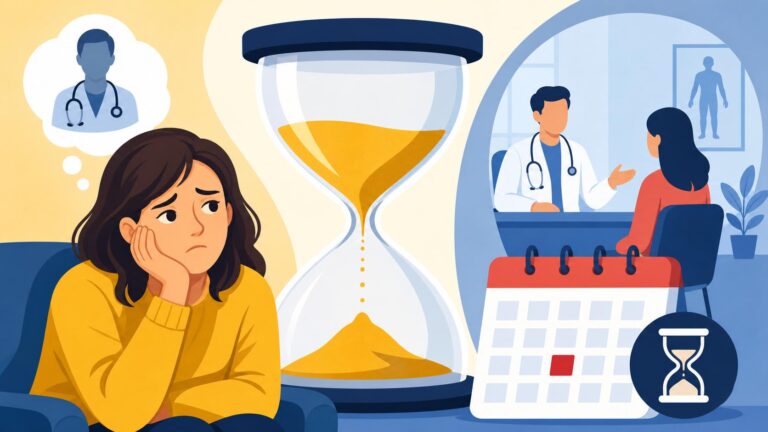
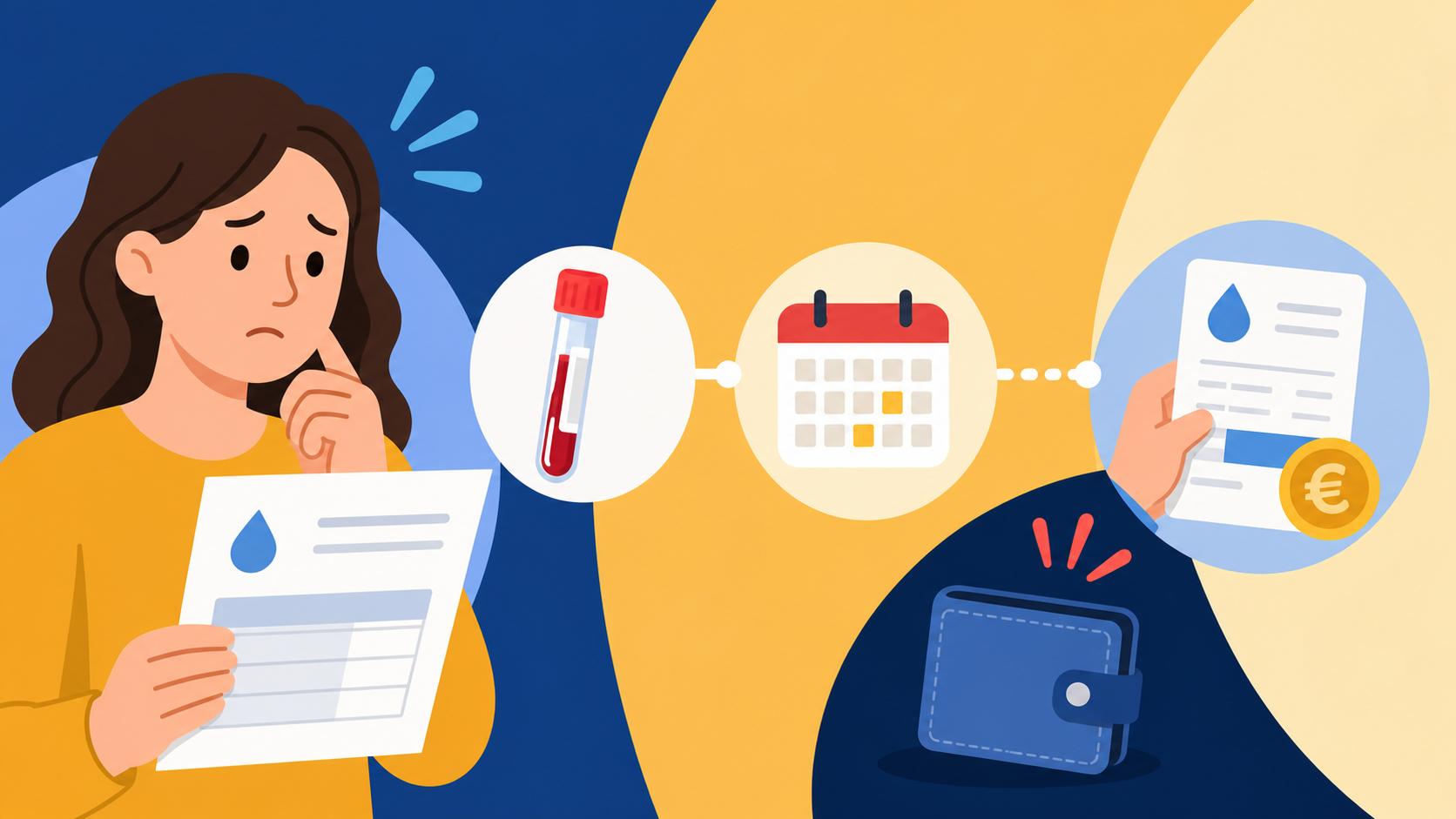
The most common shock for any expat in Belgium is the sheer time lag between a medical procedure and the arrival of the final invoice. If you visit a General Practitioner (GP) for a check-up, you usually pay on the spot. However, if that doctor takes a blood sample and sends it to an external laboratory like Synlab or LHUB-ULB, the billing cycle enters a completely different administrative lane.
In Belgium, laboratories operate as independent entities from the doctor's office. When your sample arrives at the lab, they process the tests immediately so your doctor can give you results, but the billing department often waits for the "tiers payant" or What Does 'Tiers Payant' (Derdebetalersregeling) Mean at the Doctor? process to clear. This system allows the lab to claim the majority of the cost directly from your public health insurance provider (your mutuelle or ziekenfonds). The bill you receive in the mail months later is typically just your "personal share," known as the patient contribution or moderator fee.
Because the lab has to communicate with the national social security database to verify your insurance status, any small administrative hiccup can delay the process. If you recently changed jobs or moved communes, these delays are even more pronounced. It is perfectly normal to receive a lab bill three, four, or even six months after the needles have left your arm. Do not panic and assume it is a late fee; it is simply the speed at which the Belgian medical-administrative machine turns.
Anatomy of a Belgian Lab Facture
When you open that envelope, you’ll see a document that looks quite different from utility bills in other countries. It is crucial to identify the key components so you don’t accidentally pay the wrong amount or use the wrong reference number. Most Belgian invoices will include a "communication structurée" or "gestructureerde mededeling"—a 12-digit number surrounded by three plus signs or slashes (e.g., +++000/1234/56789+++).
This number is the most important part of the bill. When you make a bank transfer via your Belgian banking app, the laboratory’s automated system uses this code to match your payment to your file. If you forget to include it, or if you simply write "Blood test" in the comments, the lab may not recognize the payment, leading to automated reminders and potential late fees. I once spent three weeks trying to prove I had paid a bill simply because I forgot that structured code, so take it from me: double-check those digits.
The bill will also list the specific tests performed. You might see terms like "Hématologie," "Biochimie," or "Sérologie." If you are a health-conscious expat who uses iHerb to supplement your diet based on these results, seeing the breakdown can be helpful for tracking your vitamin D or iron levels over time. However, the costs listed can be confusing. You will see a "Total" and a "Net to Pay." The total is what the lab charges the state, while the "Net to Pay" is your responsibility.
Payment Methods and Common Roadblocks
Most laboratories in Belgium have modernized, but the paper invoice remains the gold standard. Most expats prefer to pay via their banking app by scanning a QR code found on the invoice. This automatically fills in the IBAN and the structured communication, reducing the risk of error. If you are using a digital-first bank, ensure that it supports Belgian structured communications, as some international neobanks still struggle with this specific formatting.
If you don't have a Belgian bank account yet, paying these bills can be a headache. You can technically use a SEPA transfer from a foreign account, but you must ensure the 12-digit code is placed in the "Reference" field exactly as it appears. If you are still waiting for your eID and find yourself stuck with medical costs, you might find the guide on Accessing Belgian Healthcare Without an eID: Temporary Certificates particularly useful for navigating these early-day hurdles.
| Type of Medical Cost | Who Do You Pay? | When Do You Pay? | Typical Out-of-Pocket Cost |
|---|---|---|---|
| GP Consultation | Directly to the Doctor | At the appointment | €4 – €6 (with DMG) |
| Specialist Visit | Doctor or Hospital Billing | On-site or 2 months later | €12 – €20 |
| Blood Lab Tests | Independent Laboratory | 3 to 6 months later | €5 – €50 |
| Hospital Stay | Hospital Central Billing | 2 to 3 months later | €150+ (Variable) |
Sometimes, you might receive a bill that feels excessively high. This often happens if your mutuelle registration wasn't fully active on the day of the test. If you see a bill for €200 or more for a standard blood draw, it’s likely that the lab was unable to apply the Understanding the 75% Reimbursement System for Medical Consultations rules and is charging you the full "uninsured" rate. In this case, do not pay it immediately. Contact the lab’s billing department (usually an email address like "facturation" or "facturatie") and provide your national register number. They can often re-run the check and send you a corrected, much lower invoice.
Maximizing Your Reimbursements and Coverage
One of the best ways to keep these lab bills low is to ensure you have an active Global Medical Record. This is a digital file managed by your GP that centralizes your history and, crucially, grants you higher reimbursement rates for almost all medical acts in Belgium. If you haven't done this yet, read up on The Global Medical Record (DMG/GMD): Why You Need It for Better Refunds to save yourself a significant amount of money on future lab work.
For many expats, the public system is excellent, but it doesn't cover everything. If you are undergoing specialized testing or have chronic health needs, you might find that the "moderator fees" start adding up. This is where private top-up insurance like Cigna Global becomes a lifesaver. These plans can often cover the remaining costs that the Belgian mutuelle leaves behind, ensuring that your out-of-pocket expense for a lab bill is effectively zero. This is especially relevant if you prefer visiting "non-conventioned" doctors who might charge higher supplements for their services.
If you find yourself overwhelmed by multiple bills from different providers, it is worth checking MyHealth.belgium.be Guide: Accessing Your Medical Records Online. This portal allows you to see which lab results have been uploaded and, in some cases, provides links to the financial summaries. Staying organized is the only way to survive the Belgian health system without losing your mind. I keep a dedicated folder—both physical and digital—just for "Factures Médicales" because of that 4-month delay. If you lose the original paper, getting a duplicate can be a bureaucratic nightmare.
Troubleshooting Lost or Unpaid Bills
What happens if you move house and a lab bill is sent to your old address? This is a common scenario for the nomadic expat. In Belgium, if a bill goes unpaid, the laboratory will send a "Rappel" (Reminder). The first reminder is usually free, but subsequent ones will add administrative fees ranging from €5 to €20. If ignored long enough, the debt is passed to a "huissier de justice" (bailiff), which can explode a €15 bill into a €100 debt very quickly.
If you suspect you have a missing bill, perhaps because you saw your results in an app like Helena or Rosa but never got the invoice, be proactive. You can find the name of the laboratory on your results and contact their accounting department directly. Tell them your name and date of birth, and they can usually email you a PDF of the invoice. It is much better to spend ten minutes on the phone now than to deal with a bailiff six months from now.
If you are currently in the process of setting up your insurance, you might be worried about whether these trailing bills will be covered retroactively. Generally, as long as you were "in order" with your social security contributions on the date the blood was drawn, the reimbursement applies. For those still in the waiting period, the EHIC and Temporary Cover: Using European Health Cards Before Mutuelle Setup can sometimes be used as a stop-gap, though it is usually easier to use it for hospital emergencies than for outpatient lab work.
Final Advice for Managing Medical Paperwork
Belgium’s healthcare is world-class, but its billing is ancient. The key to "winning" at Belgian admin is patience and a bit of a cynical eye toward your mailbox. Never assume a bill is a mistake just because it’s old. Instead, verify the date of service, check it against your calendar, and ensure the amount makes sense relative to your insurance status.
If you are ever unsure if a bill is legitimate, you can always ask your GP. They work with these laboratories every day and can tell you if "Labo Nuytinck" or "IBC" are the standard partners they use. They can also explain if a specific test was "out of nomenclature" (not covered by the state), which is common for some high-end nutritional or genetic screenings. For those proactive expats who like to keep their medicine cabinets stocked with high-quality products from iHerb, understanding which vitamins you are actually deficient in through these lab tests is the best way to spend your health budget wisely.
Managing your health in a new country is a marathon, not a sprint. Between finding the right Choosing Your First GP (General Practitioner) in Belgium and navigating the quarterly lab invoices, it takes about a year to truly feel "settled" in the system. Don't let a late bill ruin your week; just check the structured communication, pay the €8.50, and get back to enjoying your waffles and frites.
Disclaimer
This article is for informational purposes only and does not constitute legal or professional medical advice. Healthcare regulations and billing practices in Belgium can change; always consult with your mutuelle, your doctor, or a qualified legal advisor regarding your specific situation and insurance coverage.