Eye Care: Visiting Ophthalmologists and Getting Glasses Reimbursed
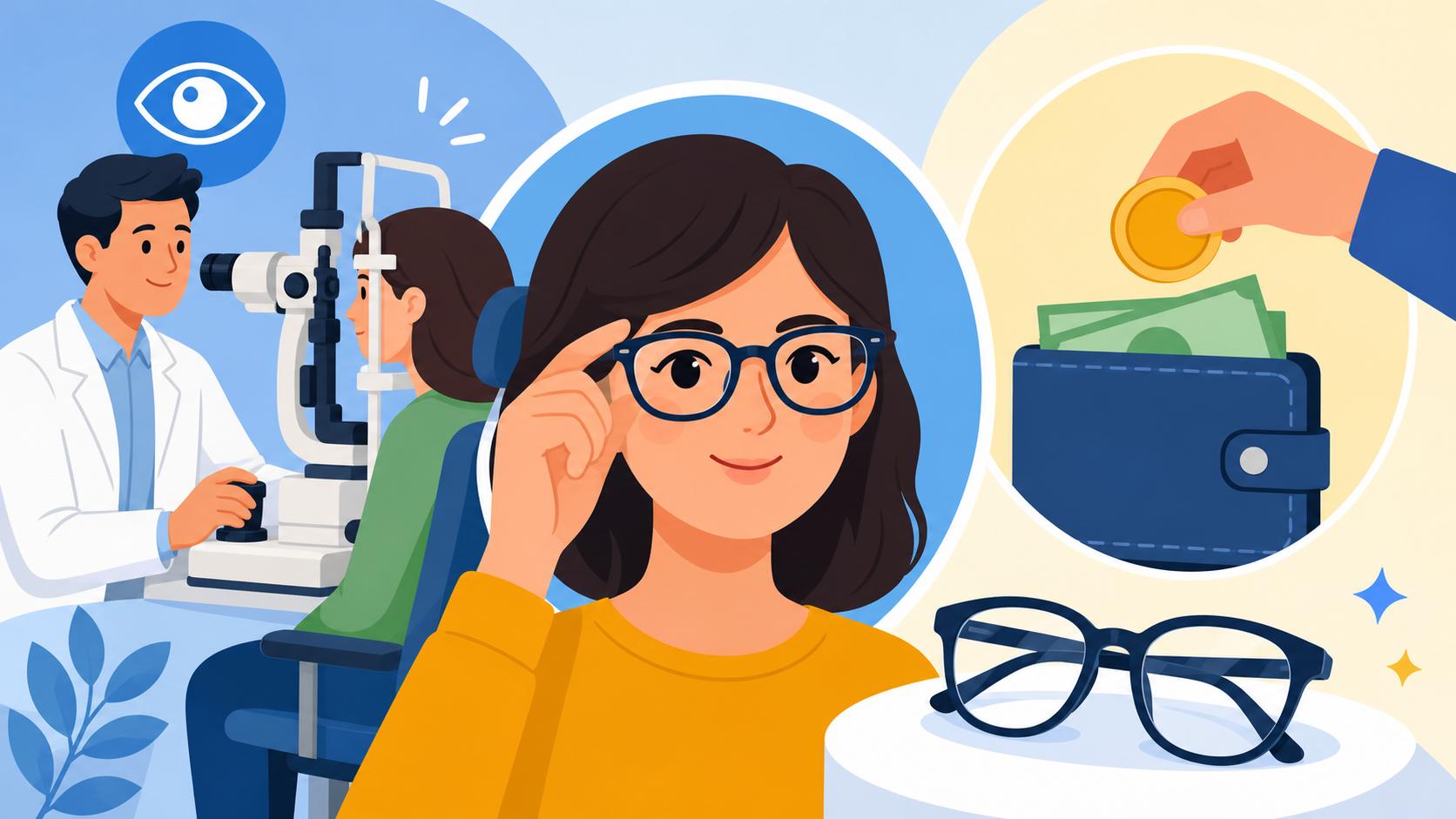
Finding yourself squinting at the street signs in Brussels or struggling to read the menu at a dimly lit bistro in Antwerp is a rite of passage for many of us. I remember my first month here, trying to navigate the difference between an "optician" and an "ophthalmologist" while my eyes were screaming for a new prescription. This guide solves the mystery of Belgian eye care, from booking specialists to maximizing your reimbursements.
Understanding the Belgian Vision Care System: Ophthalmologists vs. Opticians
In Belgium, the distinction between medical eye care and retail vision services is quite sharp, and knowing which door to knock on first will save you both time and money. When I first arrived, I assumed I could just walk into any shop for a full medical check-up, but the reality is more structured. You have two main players: the ophthalmologist (the medical doctor) and the optician (the technician/retailer).
The Medical Role of the Ophthalmologist
An ophthalmologist, known as an oogarts in Flanders or an ophtalmologue in Wallonia and Brussels, is a fully qualified medical doctor who specializes in eye and vision care. Unlike opticians, these specialists are the only ones authorized to perform eye surgery, diagnose complex diseases like glaucoma or cataracts, and write official prescriptions that the Belgian health system recognizes for higher-level reimbursements.
If you are experiencing pain, sudden vision loss, or have a family history of eye disease, this is your primary contact. In the Belgian system, most expats start by Finding Medical Care in Belgium: GPs, Specialists, and Hospitals to see if their general practitioner can provide a quick initial assessment, though you do not strictly need a referral to see an eye specialist. However, having a prescription from a doctor is often the "golden ticket" for getting your Mutuelle to pay out more for your actual glasses or lenses later on.
The Retail and Technical Role of Opticians
Opticians and optometrists in Belgium are primarily found in retail settings. They are experts at measuring your refractive error (checking if you are nearsighted or farsighted), fitting frames, and advising on lens coatings. While many high-end opticians in cities like Ghent or Waterloo have advanced diagnostic equipment, their primary business is selling eyewear.
If you just need a quick adjustment to your frames or want to replace a broken pair of glasses, an optician is the fastest route. However, be aware that an optician’s vision test might not always be sufficient for the insurance company to process a reimbursement claim, especially for children or for those with very high diopters. It is always a good idea to check your specific coverage with providers like Cigna Global to see if they require a doctor's signature for eyewear claims.
The Referral Question: Do You Need a GP?
One of the most common questions I get from newcomers is whether they need to visit their Médecin Généraliste (MG) or Huisarts before booking an eye doctor. Technically, the Belgian system allows for direct access to specialists. You can pick up the phone and call an ophthalmologist today without anyone’s permission.
That said, there is a financial incentive to stay within the "Global Medical Record" system. By Choosing Your First GP (General Practitioner) in Belgium and having them manage your DMG (Dossier Médical Global), you often pay a lower co-payment when you eventually see a specialist. While the GP doesn’t "gatekeep" the eye doctor, their involvement ensures your medical history is centralized, which is incredibly helpful if your vision issues are linked to other conditions like diabetes or high blood pressure.
Booking Your Appointment: Finding English-Speaking Eye Care
The Belgian healthcare system is excellent, but the administrative side can feel like a labyrinth if you don't speak French or Dutch. I’ve spent many hours on hold with clinics only to realize I was calling during their very specific "telephone hours." Fortunately, digital tools have made this much easier for the modern expat.
Using Apps and Online Portals
Gone are the days when you had to navigate a Dutch-only phone menu to book a check-up. Most modern ophthalmologists now use centralized booking platforms. I personally swear by Using the Doctena App to Book Doctor Appointments in Belgium because it allows you to filter by language. You can specifically look for "English" as a language of consultation, which is a lifesaver when you’re trying to describe "floaters" or "blurred peripheries" in a second language.
Another rising star in the Belgian medical tech scene is Rosa. By Using the Rosa App: Booking Medical Consultations Online, you can often see real-time availability. It’s important to note that ophthalmologists are in high demand in Belgium. It is not uncommon to see a wait time of three to six months for a non-urgent, routine check-up. If you see an open slot on one of these apps, grab it immediately—it won't be there in an hour.
Navigating Wait Times and Emergency Care
If you have a genuine emergency—like a foreign object in your eye or a sudden "curtain" falling over your vision—do not wait for a standard appointment. You should head straight to the Urgences (Emergency Room) of a major hospital. Most large hospitals in Brussels, such as Saint-Luc or UZ Brussel, have specialized ophthalmology wings with doctors on call 24/7.
For semi-urgent issues that aren't life-threatening but can't wait six months, try calling the clinic directly rather than using an app. Sometimes they have "cancellation slots" that aren't published online. Being polite and explaining your situation in English (most receptionists in major cities speak at least some English) can sometimes get you a slot within a week or two. If your vision issues are causing significant stress, seeking Mental Health in Belgium: Therapy, Psychiatry, and Expat Support can also help manage the anxiety that often comes with health hurdles in a foreign land.
Language Barriers in Major Cities
While the capital is very international, Finding English-Speaking Doctors in Brussels, Antwerp, and Ghent can still be a bit of a hunt in the suburbs. In Brussels, you are almost guaranteed an English-speaking specialist, particularly around the EU quarter or Ixelles. In Antwerp and Ghent, the younger generation of doctors is almost universally fluent in English.
However, don't be surprised if the medical staff at the front desk prefer Dutch or French. I always keep a small "cheat sheet" of terms like eye exam (oogonderzoek/examen de la vue) and prescription (voorschrift/ordonnance) ready. If you are also managing chronic conditions, you might want to check iHerb for eye health supplements that can support your vision while you wait for your specialist appointment.
The Reimbursement Puzzle: What the Mutuelle and Private Insurance Cover
This is where the "Belgian way" gets complicated. You pay for your appointment, you pay for your glasses, and then you wait for the money to magically reappear in your bank account. Understanding the 75% Reimbursement System for Medical Consultations is the first step to not being shocked by your bank balance.
Public Health Insurance (Mutuelle/Ziekenfonds)
Every resident in Belgium must belong to a Mutuelle (like Partenamut, CM, or Helan). For a standard ophthalmology consultation, the Mutuelle will typically cover about 60% to 75% of the "conventioned" rate. A "conventioned" doctor is one who agrees to the official prices set by the government. If your doctor is "non-conventioned," they can charge whatever they like, and you will only get back the percentage of the official rate, leaving you with a larger out-of-pocket expense.
When it comes to the actual glasses or contact lenses, the Mutuelle's contribution is, frankly, quite modest. For adults, you often only get a reimbursement if your prescription is quite strong (usually +/- 7.00 or 8.00 diopters). However, many Mutuelles offer a "supplementary benefit" of around €30 to €100 every few years for eyewear, regardless of your diopter strength. Always ask for the official document for the insurance company (the "Attestation de Soins Donnés") after your purchase.
The Role of Private Insurance
Because the public system leaves quite a gap for vision care, many expats opt for private international plans. Providers like Cigna Global are popular because they often have specific "Vision" modules that cover a much higher percentage of frame and lens costs than the Belgian state system. If you are an expat working for a multinational, your company might also provide "Hospitalization Insurance" which sometimes includes ambulatory care (specialist visits).
It is crucial to understand Private Health Insurance in Belgium: When Do Expats Really Need It? before you drop €600 on designer frames. Many private plans require you to submit the claim to your Mutuelle first, and they will then cover the "remainder." This "top-up" system is very common in Belgium and ensures you aren't paying hundreds of Euros for a basic necessity. You should also check if your employer's plan covers specialized items like prescription sunglasses, which are rarely covered by the state.
Submitting Your Claim Step-by-Step
After your appointment or purchase, you will receive either a green or white piece of paper (the medical receipt) or an electronic "eAttest." If it's a paper receipt, you need to stick one of your yellow identification stickers (vignettes) on it and drop it into your Mutuelle’s physical mailbox. Knowing How to Submit Medical Receipts for Reimbursement in Belgium is essential, as these papers expire after a certain period.
The digital transition is happening fast, though. Many ophthalmologists now use eAttest, which sends the claim directly to your Mutuelle. You'll still pay the doctor the full amount upfront, but the refund will appear in your bank account within a few days. For eyewear, you will almost always get a paper "attestation" from the optician, which you must manually submit. If you're wondering Do I Need Private DKV Insurance if I Have a Mutuelle? to handle these gaps, the answer often depends on how often you change your glasses and how complex your prescription is.
| Type of Service | Average Cost (Conventioned) | Mutuelle Reimbursement | Private Insurance (e.g., Cigna Global) |
|---|---|---|---|
| Standard Eye Exam | €35 – €60 | ~75% | Often 100% (after Mutuelle) |
| Basic Glasses | €150 – €300 | Very low/Zero (unless high diopter) | €100 – €250+ (policy dependent) |
| Contact Lenses | €15 – €40/month | Specific conditions apply | Varies (often a yearly lump sum) |
| LASIK Surgery | €1,500 – €3,000 | Small one-time grant (€100-€200) | Often requires specific rider |
Specialized Eye Care: Laser Surgery, Orthokeratology, and Children's Vision
Not all eye care is about glasses. Sometimes you need a more permanent solution or specialized care for the little ones. Belgium is actually a hub for high-tech ophthalmology, and many people travel here specifically for the quality of our eye clinics.
Children’s Eye Exams: A Priority
In Belgium, eye health for children is taken very seriously. Routine screenings often start with the "Kind en Gezin" (Flanders) or "ONE" (Wallonia/Brussels) visits. If they suspect any issues, they will refer you to a pediatric ophthalmologist. This is a critical part of Family Health in Belgium: Pregnancy, Birth, and Pediatric Care because catching issues like "lazy eye" (amblyopia) early can prevent permanent vision loss.
The reimbursement rates for children under 18 are significantly better than for adults. The state system recognizes that children's eyes change rapidly, so they often provide higher allowances for lenses and frames. If your child needs glasses, make sure to get the prescription from a medical doctor (ophthalmologist) to unlock these higher tiers of support.
Laser Surgery (LASIK) in Belgium
If you’re tired of losing your glasses on the tram, you might consider laser eye surgery. Belgium has several world-class centers, such as the Brussels Eye Center or Focus Eye Clinic. The technology here is top-tier, featuring the latest femtosecond lasers. However, be prepared for the price tag; it typically costs between €1,200 and €1,800 per eye.
The public Mutuelle considers this "comfort surgery" or cosmetic in most cases. However, almost every Mutuelle offers a one-time "bonus" for laser surgery, usually around €100 to €200 per eye. It’s not much, but it’s a nice gesture. This is where private plans from Cigna Global really shine, as some high-level expat policies include significant coverage for refractive surgery.
Managing Chronic Conditions and Advanced Care
For conditions like glaucoma, macular degeneration, or diabetic retinopathy, you need long-term specialist care. Belgium’s university hospitals (like UZ Leuven or Erasme in Brussels) are at the forefront of research. When dealing with chronic issues, the "Maximum Billing" (MAF) system in Belgium kicks in, ensuring that once your medical expenses hit a certain ceiling, the state covers 100% of the costs.
Patients with chronic conditions should also look into specialized vitamins and ocular hygiene products. I often find that iHerb has a much wider selection of eye-specific supplements, like high-dose Lutein or preservative-free drops, which can be significantly more expensive at a local Belgian pharmacy. Dealing with a chronic diagnosis can be tough, but the system is designed to catch you if the costs become overwhelming.
Practical Guide to Buying Eyewear: Costs, Brands, and Online Options
Once you have that prescription in hand, the fun part begins: choosing the frames. Belgium has a mix of huge international chains and tiny, artisanal boutiques that will make your head spin with options.
Retail Chains vs. Independent Boutiques
The major players in Belgium are Pearle, Hans Anders, and GrandOptical. These chains are excellent for "buy one get one free" deals and offer very reliable service. Hans Anders is particularly known for being budget-friendly, making it a great choice if you just need a spare pair of glasses. These shops usually have an in-house optometrist who can do Eye Exams in Belgium: Do You Need a Doctor or an Optician? for a basic prescription update.
If you want something more unique, Belgium has a thriving scene of independent "lunetteries." Brands like Theo (which is Belgian!) are world-famous for their quirky, colorful designs. You’ll pay more at an independent shop, but the level of personalized fitting—ensuring the frames sit perfectly on your nose and don’t slide—is often superior. Most of these boutiques also handle the paperwork for your Mutuelle reimbursement as part of their service.
Contact Lenses and Supplies
Buying contact lenses in Belgium is straightforward. You can get them from any optician, but many expats now order them online to save money. Be careful, though: the first time you get lenses, you must have a fitting with a specialist. They need to check the curvature of your eye and ensure the lenses aren't causing oxygen deprivation to your cornea.
Once you have your brand and fit confirmed, you can find your cleaning solutions and comfort drops at local pharmacies or via online retailers. For those of us with sensitive eyes, I’ve found that some of the organic or "clean" eye care products on iHerb are gentler than the standard brands found in Belgian supermarkets. Just remember that if you're Getting Contact Lenses Reimbursed: What the Rules Say, the requirements are often stricter than for glasses, and you'll likely need a prescription from an ophthalmologist that is less than six months old.
A Note on Online Eyewear Shopping
It is tempting to order glasses from a website based in another country to save a few Euros. While this is fine for basic prescriptions, be warned: the Belgian Mutuelles usually will not reimburse purchases made from online shops that do not have a registered headquarters or a recognized "optician number" in Belgium.
If you decide to go the online route, do it for the style or the price, but don't count on getting your money back from the state. For high-quality, complex lenses (like varifocals), I always recommend going to a physical shop in Belgium. The "height" of where the lens sits in the frame is measured in millimeters, and if the online shop gets it wrong, you’ll end up with a headache that no amount of paracetamol from Pharmacies and Medication in Belgium: Prescriptions and OTC Rules will fix.
Important Considerations for Expats
- The Two-Year Rule: Most Belgian Mutuelles only offer their "eyewear bonus" once every two calendar years. If you lose your glasses after six months, you’ll likely be paying full price for the replacement.
- Conventioned Status: Always ask "Êtes-vous conventionné?" when booking an ophthalmologist. If they say no, expect to pay a "supplement" that won't be reimbursed.
- Vignettes: Never leave home without your yellow stickers. Even if the doctor uses eAttest, sometimes their system fails, and having that sticker saves a lot of manual data entry.
- Sunglasses: Prescription sunglasses are treated similarly to regular glasses. If you have a high enough diopter for reimbursement on clear lenses, you can usually get it on tinted ones too.
- Travel: If you are traveling, your European Health Insurance Card (EHIC) covers emergency eye care, but not new glasses. For total peace of mind, an international plan from Cigna Global is your best bet.
Disclaimer
This guide is for informational purposes only and does not constitute medical or legal advice. Healthcare regulations and reimbursement rates in Belgium are subject to change by the RIZIV/INAMI and individual insurance providers. Always verify specific coverage details with your Mutuelle or private insurer before undergoing treatment or making major purchases. In the event of a medical emergency, please dial 112 or visit the nearest hospital emergency department immediately.