Women’s Health in Belgium: Gynecology, Screenings, and Birth Control
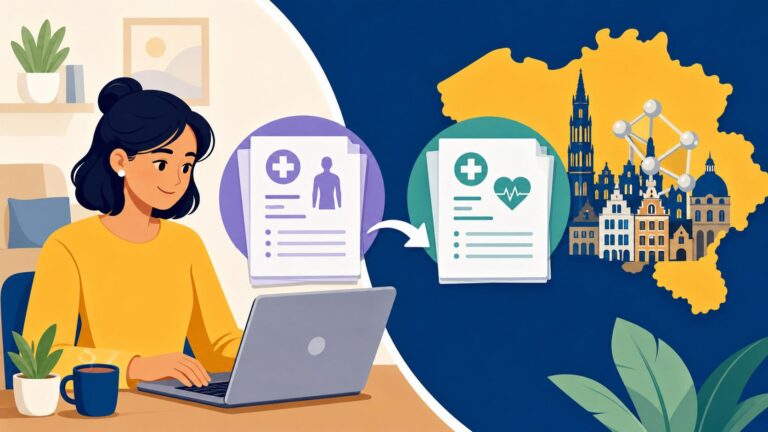
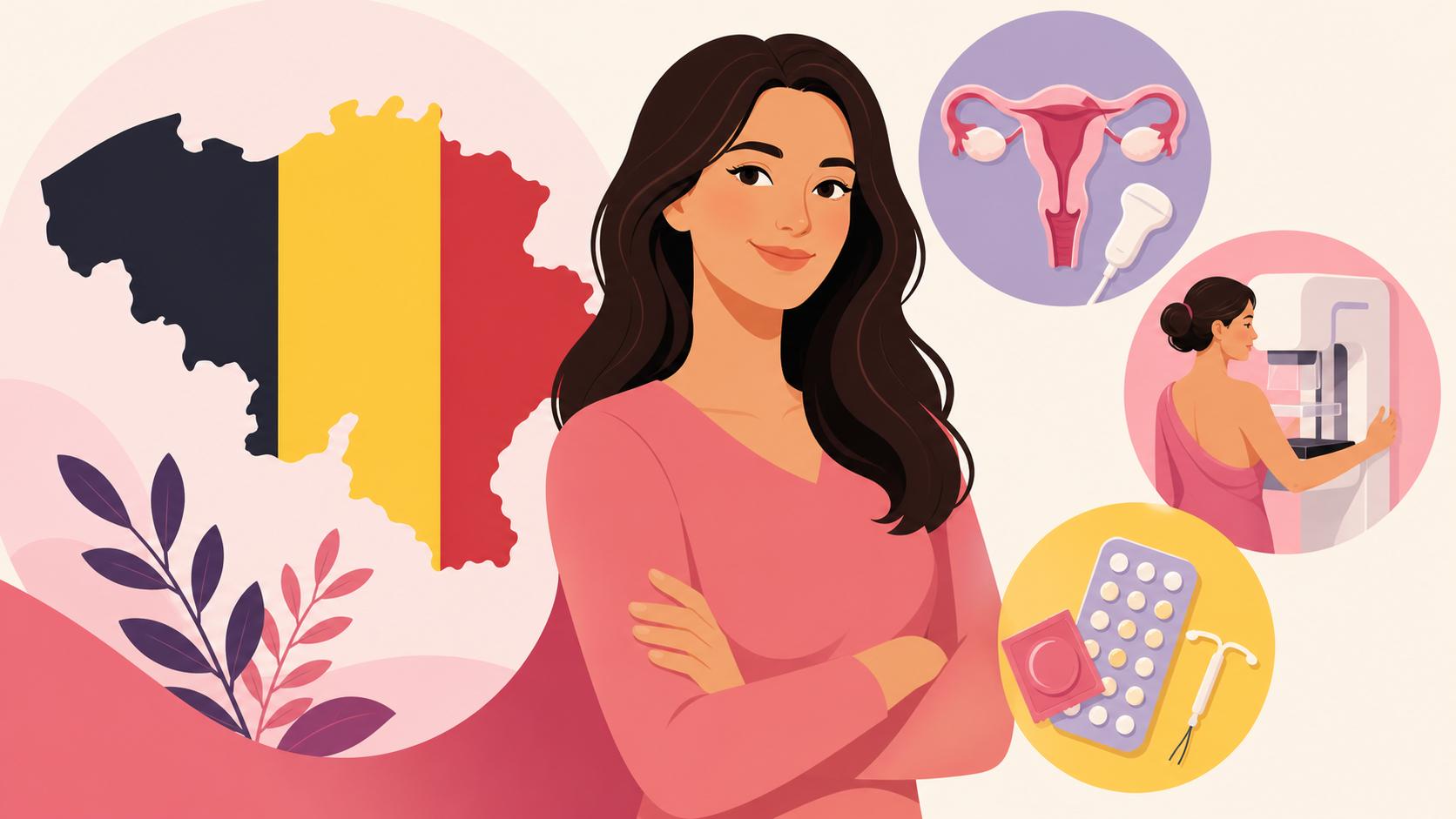
Landing in Belgium and trying to figure out where to go for a simple smear test or a birth control refill can feel like you are trying to solve a puzzle without the box lid. I remember my first month in Brussels, frantically searching for an English-speaking gynecologist who didn't have a six-month waitlist, only to realize I didn't even know if I needed a referral from a GP first. This guide is here to untangle the Belgian women's health system so you can get the care you need without the administrative headache.
Navigating the Belgian Gynecological System
The first thing you need to realize about Belgium is that the healthcare system is incredibly high-quality, but it is also highly decentralized. Unlike some countries where the General Practitioner (GP) acts as a strict gatekeeper for all specialist care, the Belgian system allows for a bit more freedom. You can, in theory, book directly with a gynecologist without seeing your GP first. However, many of us expats find that Choosing Your First GP (General Practitioner) in Belgium is actually the best first step. A good GP can handle basic screenings and prescriptions, saving the specialist visits for more complex issues.
When I first arrived, I made the mistake of thinking every "Doctor" worked for the same state entity. In reality, most gynecologists in Belgium operate in private practices or within large hospital networks like CHU Saint-Pierre in Brussels or UZ Leuven. If you have a specific concern, like endometriosis or polycystic ovary syndrome (PCOS), you might prefer going straight to a specialist. Just be prepared for the fact that wait times for popular English-speaking gynecologists in expat hubs can be lengthy.
Finding the Right Provider for Your Needs
Searching for a doctor usually starts online, and in Belgium, that means getting familiar with two specific platforms. I highly recommend Using the Doctena App to Book Doctor Appointments in Belgium or Using the Rosa App: Booking Medical Consultations Online to filter for practitioners by language, location, and specialty. These apps allow you to see exactly who speaks English, which is a lifesaver when you are trying to explain complex symptoms.
Don't be afraid to ask for recommendations in local expat groups, but always cross-reference those names with the booking apps to see their availability. Some doctors work in multiple locations—perhaps two days a week in a private cabinet in Ixelles and three days a week at a hospital in Etterbeek. If one location is booked up, check their other cabinet; sometimes you can shave weeks off your wait time just by traveling a few extra kilometers to a different office.
Conventioned vs Non-Conventioned Providers
This is the part of Belgian healthcare that confuses everyone at first. Doctors in Belgium fall into two categories: conventioned (conventionné/geconventioneerd) and non-conventioned. A conventioned doctor agrees to follow the official price scales set by the government and insurance companies. This means your out-of-pocket cost will be minimal after your mutuelle (public health insurance) kicks in.
Non-conventioned doctors, however, can charge "supplements." I found this out the hard way when I received a bill that was double what I expected for a routine check-up. While your mutuelle will still refund the base amount, they won't cover those extra supplements. If you have premium private insurance like Cigna Global, these extra costs are often covered, but if you are relying solely on public insurance, it pays to ask "Are you conventioned?" when booking.
The Role of the Global Medical Record
To get the most out of your reimbursements, you need to make sure your medical history is centralized. This is known as the Global Medical Record or GMD (Dossier Médical Global). When you visit a doctor, they can open this for you, which ensures that all your specialists—including your gynecologist—can access your history.
Crucially, having a GMD active actually lowers your co-payment for consultations. It’s a small administrative step that makes a huge difference in how the system views your care. Make sure your gynecologist knows who your GP is so they can send over results from Pap smears or blood tests. This coordination prevents you from having to repeat tests and pay twice for the same results.
Routine Screenings and Preventive Care
Belgium has a very proactive approach to preventive health, but they won't necessarily chase you down to get your tests done. You have to be the one to initiate the process. I’ve found that keeping a digital calendar of my "health anniversaries" is the only way to stay on top of it, as the invitation letters from the region (Brussels, Flanders, or Wallonia) can sometimes get lost in the mail or arrive in a language you haven't mastered yet.
The system is designed to catch issues early, particularly concerning cervical and breast health. If you are registered with a mutuelle, many of these screenings are either fully covered or highly subsidized. You should also look into Cancer Screening Programs: Mammograms and Colonoscopies for Residents to understand the specific age brackets and intervals for these tests in your specific region.
Cervical Cancer Screenings (Pap Smears)
In Belgium, the standard recommendation for a Pap smear is once every three years for women between the ages of 25 and 64. If you have had abnormal results in the past, your doctor will likely put you on a more frequent schedule. The great news is that if you follow the three-year "official" schedule, the laboratory analysis of the smear is often fully reimbursed by the state.
When you go for the test, your gynecologist or GP will take the sample and send it to an external lab. Don't be surprised when you receive a separate bill from a laboratory a few weeks later. This is standard Belgian practice. You pay the lab bill, and then you submit it to your mutuelle for reimbursement. If you are managing your health budget carefully, check Understanding the 75% Reimbursement System for Medical Consultations to see how these lab fees fit into your overall spending.
Breast Health and Mammograms
For women aged 50 to 69, Belgium offers a "Mammotest" every two years, which is completely free if you go to a recognized screening center. You will usually receive an invitation in the mail. However, for those of us under 50 or those with a family history of breast cancer, you’ll need to discuss a personalized screening plan with your gynecologist.
If your doctor recommends a mammogram or a breast ultrasound outside of the national screening program, you will have to pay for the consultation and the imaging, though a significant portion is typically reimbursed. If you have extra coverage through Cigna Global, you might find that even specialized preventative screenings not covered by the public system are included in your plan, giving you that extra layer of security.
STI Testing and Sexual Health
Sexual health is handled with a lot of pragmatism in Belgium. You can request a full STI screening from your GP or gynecologist at any time. If you prefer a more anonymous or specialized setting, there are clinics like the Helpcenter in Antwerp or various family planning centers (Centres de Planning Familial) in Brussels and Wallonia.
STI Testing in Belgium: Anonymous Clinics and Regular GP Visits provides a detailed breakdown of where to go if you need results quickly and discreetly. Most regular screenings involve blood work and swabs. Like the Pap smear, the laboratory will bill you separately. If you are proactive about your health, you might also find that supplements from iHerb, such as high-quality probiotics or vitamins, can support your overall vaginal and reproductive health between these check-ups.
Birth Control and Contraception Options
One of the biggest shifts for many expats moving to Belgium is how birth control is dispensed. In some countries, you can get the pill over the counter or via a simple pharmacist consultation. In Belgium, you almost always need a prescription from a doctor. This applies to the pill, the ring, the patch, and certainly for long-acting reversible contraception like IUDs or implants.
The upside is that because you need a prescription, you are forced to have at least a yearly check-up with a doctor who can monitor your blood pressure and overall health. The pharmacist will usually give you a three-month or six-month supply based on what the doctor has written.
Getting a Prescription for the Pill, IUD, or Implants
If you are already on a specific brand of birth control from your home country, bring the box or the prescription with you. The Belgian doctor will try to find the equivalent brand available in the local market. For more on the specifics of what is available, check Accessing Contraception in Belgium: Pill, IUD, and Costs.
For IUDs (hormonal or copper) and contraceptive implants (like Nexplanon), you will usually need two appointments. During the first, the doctor will give you the prescription. You then go to the pharmacy to buy the device itself. You bring the device back to the doctor for the second appointment for the insertion. It sounds a bit convoluted, but it ensures you have the exact device you and your doctor discussed.
Emergency Contraception (The Morning-After Pill)
In Belgium, the morning-after pill is available over the counter at any pharmacy (apotheek/pharmacie). You do not need a prescription for this. It is also available to minors without parental consent. Most pharmacists are very professional and will ask a few standard questions to ensure you are getting the right type of emergency contraception based on how much time has passed.
The cost is generally around €10 to €25, but here is a "pro-tip": if you are under 25, many mutuelles provide a significant refund or even make it free at the point of sale in certain pharmacies. For a deeper look at the rules surrounding this, see Morning-After Pill in Belgium: Pharmacy Access and Age Rules.
Contraceptive Reimbursement and Age-Based Coverage
Belgium has a specific policy to make contraception more accessible to young people. If you are under the age of 25, there is a "reimbursement for contraception" program that applies to most pills, IUDs, and implants. Often, the price is reduced directly at the pharmacy when you present your Belgian eID card.
For those of us over 25, the reimbursement levels vary. Some mutuelles offer an "annual contraception budget" (usually between €12 and €50) as part of their voluntary benefits. You’ll need to submit the "Attest van levering" (proof of delivery) from the pharmacist to your mutuelle to claim this. It's not a fortune, but it's another reason why being properly registered is so important.
| Contraception Method | Prescription Required? | Typical Cost (Approx.) | Mutuelle Refund (Over 25) |
|---|---|---|---|
| Combined Oral Pill | Yes | €15 – €45 (3 months) | Varies by Mutuelle |
| Hormonal IUD (Mirena/Kyleena) | Yes | €120 – €150 | Partial (usually around €50-€80) |
| Copper IUD | Yes | €50 – €80 | Partial |
| Contraceptive Implant | Yes | €140 | Partial |
| Emergency Contraception | No | €10 – €25 | Full (if under 25) |
Financials and Insurance for Women's Health
Understanding the money trail is the only way to survive Belgian bureaucracy without crying. The system is based on a "fee-for-service" model where you pay the doctor upfront and then get reimbursed later. This can be a bit of a shock if you are used to a "free at the point of use" system like the NHS or a direct-billing system in the US.
The average cost for a gynecological consultation in Belgium is between €30 and €60 for a conventioned doctor, though it can climb much higher for non-conventioned specialists. You pay the doctor at the end of the appointment—usually via the Payconiq app or a debit card—and then the reimbursement process begins.
The Mutuelle Reimbursement System
Once you pay the doctor, they will either give you a green paper slip (the "attest") or, more commonly now, they will send it digitally to your mutuelle via a system called eAttest. If it's digital, the refund usually appears in your bank account within a few days. If you get the paper slip, you have to stick one of your mutuelle "vignettes" (yellow stickers) on it and drop it in one of those white mutuelle mailboxes you see on the street.
The refund is typically about 75% of the official rate. To understand the math behind this, read Understanding the 75% Reimbursement System for Medical Consultations. It’s vital to realize that this 75% is based on the official rate, not necessarily what your doctor charged if they are non-conventioned.
Private Insurance and Cigna Global
Many expats choose to take out additional private insurance, especially if their employer doesn't provide a robust "hospitalization insurance" plan. This is where a provider like Cigna Global comes in handy. While the public mutuelle is great for routine visits, it doesn't always cover private hospital rooms, certain specialized diagnostic tests, or the full cost of non-conventioned specialists.
If you are planning to have a baby or if you have a chronic condition that requires frequent specialist visits, having private insurance can significantly reduce your out-of-pocket stress. For more information on whether you need that extra layer of protection, check Private Health Insurance in Belgium: When Do Expats Really Need It?. It gives you the flexibility to choose doctors without worrying as much about their "conventioned" status.
The Maximum Billing System (MAF)
One of the best safety nets in Belgium is the Maximum Billing system, or MAF (Maximum à Facturer). If your family's total medical expenses (the co-payments you have to pay yourself) reach a certain threshold in a calendar year, the mutuelle starts refunding 100% of the costs for the rest of the year.
This threshold is based on your household income. It's a wonderful relief if you have a year with unexpected health challenges. You don't usually have to apply for this; the mutuelle tracks your expenses automatically and will stop charging you the co-pay once you hit the limit. It’s a very humane part of the system that ensures nobody is bankrupted by medical bills.
Specialized Care and Support Services
Women's health isn't just about physical exams and prescriptions; it’s about mental well-being, hormonal balance, and support through different life stages. Belgium has a growing network of specialized care that addresses the more nuanced aspects of health, though sometimes these services require a bit more digging to find in English.
From managing the transition into menopause to seeking support for fertility, the Belgian medical landscape is well-equipped. You might also find that a holistic approach works best, perhaps supplementing your diet with magnesium or specialized vitamins from iHerb to help manage hormonal fluctuations and stress.
Mental Health and Hormone Support
Hormonal health is deeply tied to mental health. If you are struggling with postpartum depression, PMDD (Premenstrual Dysphoric Disorder), or the emotional toll of menopause, Belgium has excellent psychiatrists and psychologists. However, the reimbursement for psychology is often much lower than for physical medicine.
Many expats find that Mental Health in Belgium: Therapy, Psychiatry, and Expat Support is an essential resource for finding therapists who understand the specific stresses of living abroad. Some mutuelles offer small "packages" of 8 to 12 sessions per year with a partial refund, but if you need long-term support, private insurance like Cigna Global often provides much better mental health coverage.
Menopause Management
Menopause care in Belgium is evolving, with more doctors specializing in Hormone Replacement Therapy (HRT) and lifestyle-based management. While some older-school doctors might still take a "wait and see" approach, many younger practitioners or specialists in major hospitals are very proactive about symptom management.
If you are entering this life stage, I highly recommend finding a gynecologist who specifically mentions menopause as one of their interests on their Doctena profile. They will be more likely to stay updated on the latest research regarding HRT safety and efficacy. Don't be afraid to be your own advocate here; the Belgian system respects patients who are well-informed and proactive about their treatment options.
Reproductive Rights and Abortion Access
It is important to know that abortion is legal in Belgium up to 12 weeks of pregnancy. There is a mandatory six-day waiting period between the first consultation and the procedure, though this can be waived in urgent medical situations. After 12 weeks, abortion is only permitted if the pregnancy poses a serious threat to the woman's health or if the child would have an incurable illness.
Most abortions are performed in specialized centers (Centres d'Interruption Volontaire de Grossesse) rather than general hospitals, and the costs are largely covered by the mutuelle. These centers also provide counseling and support, and they are known for being very non-judgmental and supportive environments for women in difficult situations.
Summary of Women's Health Resources
| Resource Type | Recommended Service/Provider | Purpose |
|---|---|---|
| Booking Appointments | Doctena or Rosa App | Finding English-speaking doctors |
| Public Insurance | Mutuelle (e.g., Partenamut, Helan) | 75% reimbursements for check-ups |
| Private Insurance | Cigna Global | Covering supplements and private care |
| Screenings | Mammotest (Regionally managed) | Free breast cancer screening (50-69) |
| Supplements | iHerb | High-quality prenatal and hormonal vitamins |
| Mental Health | Expat-friendly psychologists | Support for PMDD, PPD, and Menopause |
Disclaimer
This guide is intended for informational purposes only and does not constitute professional medical or legal advice. While every effort has been made to ensure the accuracy of the information provided regarding the Belgian healthcare system in 2026, medical regulations and insurance policies are subject to change. Always consult with a qualified medical professional or your insurance provider regarding your specific health needs and coverage options. The author is an expat sharing personal experiences and research, not a licensed medical practitioner.