Solidaris vs Helan: Comparing Ziekenfonds Options for Expats
You have just arrived in Brussels, Antwerp, or Liege, and someone tells you that you must join a "Mutuelle" immediately, but the paperwork looks like a logic puzzle designed by a bureaucrat on a caffeine bender. I remember standing in a drafty hallway in Ixelles, clutching three different pamphlets and having absolutely no clue which one to pick. This guide clears that fog by comparing Solidaris and Helan to help you settle in.
The Basics of the Belgian Mutuelle System
Before we dive into the specific battle of Solidaris vs Helan, you need to understand that the Belgian healthcare system is built on a foundation of compulsory health insurance. It is not like the systems in many other countries where you simply "get" insurance; here, you have to actively choose a provider, known as a mutuelle in French or a ziekenfonds in Dutch. These organizations act as the middleman between you and the Belgian state, processing your claims and ensuring you get your money back after a doctor visit.
When you first arrive, Registering for Public Health Insurance: Step-by-Step at Your Commune is often one of the first hurdles. You cannot simply walk into a doctor’s office and expect it to be free. You pay the bill upfront, and then your chosen mutuelle reimburses a large chunk of it—usually around 75%. This is part of Understanding the 75% Reimbursement System for Medical Consultations, which can be a bit of a shock to the system if you are coming from a country with "free at the point of use" healthcare.
Every mutuelle in Belgium offers the same "basic" package mandated by the state. This means that whether you choose the biggest provider or the smallest, the reimbursement for a standard GP visit or a hospital stay is legally identical. However, what sets providers like Solidaris and Helan apart are the "supplementary" benefits. These include things like extra coverage for dental work, osteopathy, glasses, and even sports club memberships. To make an informed choice, you should first check the Mutuelle and Ziekenfonds: Public Health Insurance Registration Guide to see the general landscape.
The Role of the eID and Vignettes
Once you join a mutuelle, they will ask for your Belgian eID card. This card is your golden ticket; doctors use it to look up your insurance status. In the old days, we had to carry around little yellow or blue stickers called vignettes. If you are wondering How Long Does It Take to Get Your Mutuelle Stickers (Vignettes)?, don't worry—most things are digital now. However, you will still get a sheet of these stickers in the mail. Keep them in your wallet. If a hospital’s digital system goes down, or if you need to mail a paper receipt for a refund, that sticker is the only way the mutuelle knows who you are.
Conventioned vs Non-Conventioned Doctors
Another quirk that caught me off guard is the "convention" system. Not all doctors charge the same rate. Some agree to the official state prices (conventioned), while others charge whatever they want (non-conventioned). Your mutuelle will only reimburse you based on the official state price. If your specialist charges double, you are on the hook for the difference. When Choosing Your First GP (General Practitioner) in Belgium, always ask if they are conventioned to avoid unpleasant financial surprises.
Solidaris: The Established Choice for Solidarity
Solidaris is one of the largest health insurance providers in Belgium, with deep roots in the socialist movement. It is split into different regional entities—Solidaris Wallonie, Solidaris Vlaanderen, and Solidaris Brussels. If you live in a French-speaking area, you will likely encounter Solidaris as a dominant force with physical offices in almost every major town. Their philosophy is built on "socialism," which in the Belgian context means a heavy focus on accessibility and community support.
One of the major draws of Solidaris is its extensive network of "polyclinics" and partner pharmacies. In many cases, if you use a Solidaris-affiliated clinic, the paperwork is handled internally, and you might pay less out-of-pocket upfront. They are particularly strong when it comes to family benefits. For instance, their maternity packages are quite generous, often providing a "birth gift" or significant discounts on childcare products. If you are planning to start a family, Solidaris is a very strong contender.
Perks for Families and Seniors
Solidaris shines when it comes to supporting the more vulnerable or those with high-use needs. They offer significant reimbursements for dental care that go beyond the state minimum. While the basic state insurance is limited for adults, Solidaris provides extra buffers. For expats who might be used to higher levels of private care, you might still wonder, Do I Need Private DKV Insurance if I Have a Mutuelle? The answer is often "yes" for things like private hospital rooms, but Solidaris does a great job covering the everyday essentials.
They also place a high value on mental health, offering a set number of reimbursed therapy sessions per year. Given how isolating the expat experience can be—especially during those long, grey Belgian winters—having easy access to affordable mental health support is a huge "pro." You can supplement your health regime by ordering specialized vitamins or supplements from iHerb, which often has a wider selection than local Belgian pharmacies, but Solidaris will help keep the core medical costs down.
The Physical Presence Advantage
If you are someone who prefers to talk to a human being when something goes wrong with your paperwork, Solidaris has the advantage of physical locations. In Brussels or Liege, you can usually find a branch within walking distance. However, be prepared: the staff may not always speak perfect English. Unlike some newer, tech-focused providers, Solidaris still operates with a "local office" mindset. It feels very Belgian, which is great for integration but can be frustrating if your French or Dutch is still at the "ordering a beer" level.
Helan: The Digital-First Option for Modern Expats
Helan is a relatively new name, born from the merger of Partena and OZ. While Solidaris feels like the "traditional" choice, Helan is very much marketed as the "modern" choice. They have invested heavily in their digital infrastructure. If the idea of visiting a physical office and waiting in line makes you break out in a cold sweat, Helan might be the better fit for you. Their app is one of the best in the business, allowing you to track reimbursements and upload documents with a few taps on your phone.
For many expats, Helan is the "default" choice because of their English-language support. While not every employee is a native speaker, their website and communication materials are much more expat-friendly than the older, more traditional mutualities. This makes Finding Medical Care in Belgium: GPs, Specialists, and Hospitals much easier because you can navigate the insurance side of things in a language you actually understand.
Benefits for Active Professionals
Helan tends to attract young professionals and those who prioritize convenience. They offer a "lifestyle" approach to health. For example, they are famous for their generous reimbursements for gym memberships and sports club fees. If you are the type of person who spends their weekends cycling through the Ardennes or hitting the CrossFit box in Antwerp, Helan will literally pay you to stay fit. They also have excellent dental packages, which is a frequent concern for foreigners. You can read more about Dental Care in Belgium: Costs, Mutuelle Coverage, and Dentists to see how these supplementary plans help avoid thousand-euro bills for a simple crown.
The Helan Digital Ecosystem
The Helan app acts as a central hub for your health. You can request documents, order new vignettes, and even see which doctors in your area are conventioned. This level of transparency is a breath of fresh air. They also offer a very competitive "hospitalization" insurance add-on. Many expats find themselves asking, Private Health Insurance in Belgium: When Do Expats Really Need It? If your employer doesn't provide a plan, Helan’s internal hospitalization insurance is a solid, middle-ground option that is cheaper than a full international plan like Cigna Global, though it has more geographical restrictions.
| Feature | Solidaris | Helan |
|---|---|---|
| Language Support | Primarily French/Dutch | Strong English Support |
| Digital App | Basic but functional | Excellent, user-friendly |
| Physical Offices | Numerous and widespread | Fewer, focused on digital |
| Philosophy | Social solidarity, community | Modern, individual wellness |
| Best For | Families, seniors, locals | Expats, young professionals |
| Maternity Benefit | Very high "birth gift" | Competitive, focus on kits |
| Sports Refund | Standard (~€25-50) | High (~€50-100) |
The Verdict: Comparing Benefits, Costs, and Digital Support
Choosing between Solidaris and Helan often comes down to your personal lifestyle and where you live in Belgium. If you are living in a more rural part of Wallonia, Solidaris is often the most practical choice because of its local presence. If you are a digital nomad or a tech worker in a hub like Ghent or Brussels, the seamless English-speaking interface of Helan will likely save you hours of administrative headache.
The cost for both is remarkably similar—usually around €12 to €15 per month for the supplementary portion. This fee is mandatory to access the extra benefits we’ve discussed. When you are looking at your monthly budget, don't forget to factor in that the state also takes a cut directly from your salary (social security). These mutuelle fees are "on top" but provide the real value when you need glasses, dental work, or a weekend at a wellness retreat.
Making the Final Choice
If you value the peace of mind that comes with a global brand and you travel frequently outside of Europe, you might consider keeping a basic Belgian mutuelle (like Helan or Solidaris) for your local legal requirements while also carrying a policy from Cigna Global. This ensures that if you get sick while visiting home or on a business trip to Asia, you aren't relying solely on the Belgian state’s limited international reach.
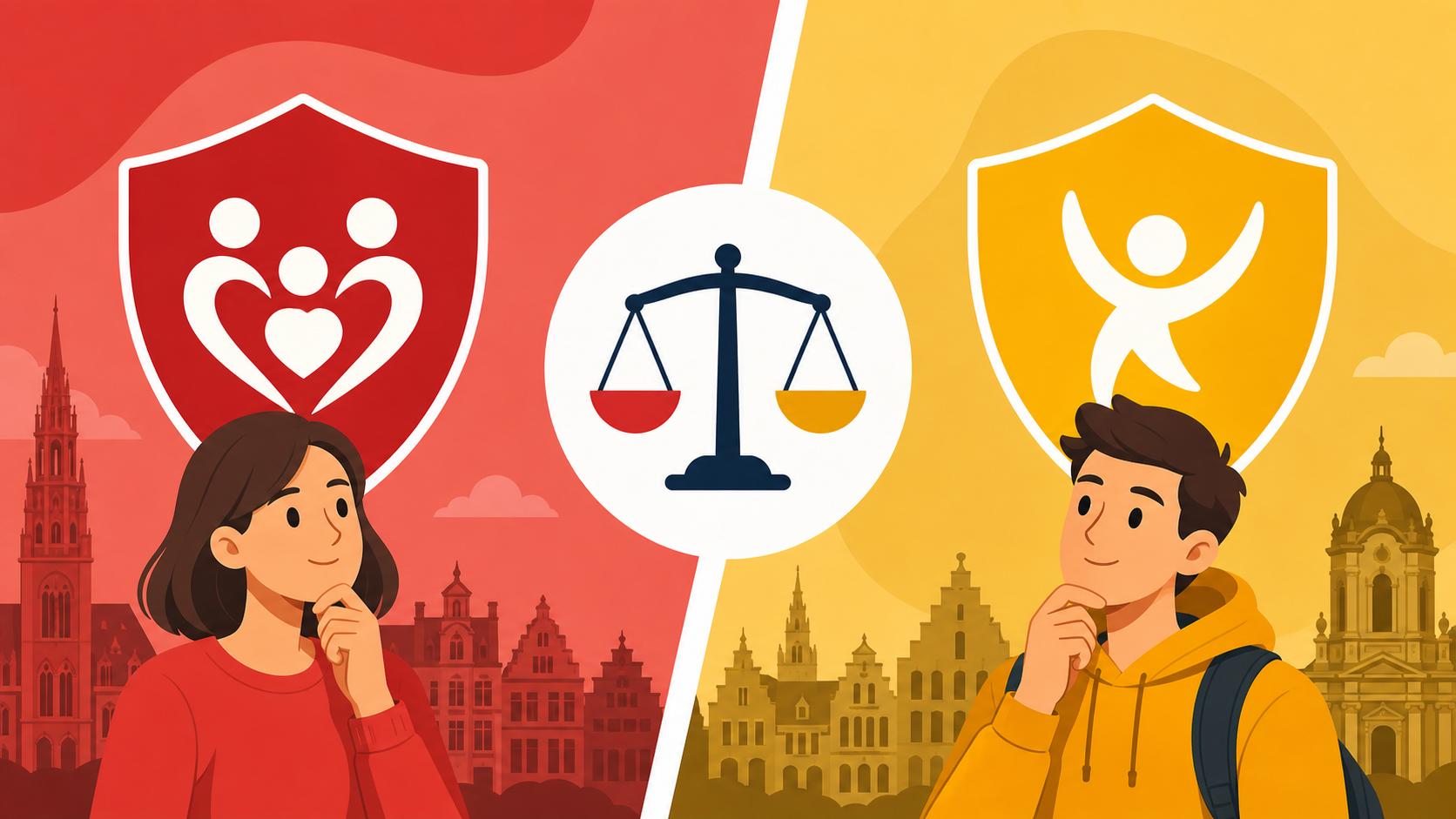
For the day-to-day, though, think about your "user experience." Do you want to walk into an office and talk to someone (Solidaris), or do you want to handle everything from your couch while watching Netflix (Helan)? Both will give you access to the same doctors and the same 75% baseline refunds. The choice is really about how much "Belgian-ness" you can handle in your administration. Solidaris is the heart of the old system; Helan is the face of the new one.
Disclaimer
This article is for informational purposes only and does not constitute financial or legal advice. Healthcare regulations and reimbursement rates in Belgium are subject to change by the National Institute for Health and Disability Insurance (RIZIV/INAMI). Always verify current benefits directly with the provider before signing any contract.