How Long Does It Take to Get Your Mutuelle Stickers (Vignettes)?
Staring at a mountain of medical receipts while your bank account drains is the classic Belgian expat initiation rite. I remember sitting in my empty apartment in Ixelles, wondering if my health insurance even existed because those tiny white stickers hadn't arrived yet. This guide explains the exact timeline for getting your vignettes and how to survive the administrative wait.
The Administrative Timeline From Registration to First Sticker
The journey to receiving those coveted white stickers, known locally as vignettes, is rarely a straight line. In Belgium, your healthcare access is tethered tightly to your residency status. You cannot simply walk into a Mutuelle office on your first day in the country and walk out with a sheet of stickers. The process is a sequence of gears that must turn in a specific order. Typically, once you have submitted your application to a health fund, you can expect the physical stickers to arrive in your mailbox within two to three weeks. However, that "two to three weeks" only begins once the health fund has successfully linked your profile to the Belgian National Register.
To start the clock, you first need to navigate Registering at the Commune: The 8-Day Rule After Arrival. This is the fundamental step because the Mutuelle requires your National Register Number (the Rijksregisternummer or Numéro de Registre National) to create your file. Many expats make the mistake of trying to register with a health fund using only their passport. While some funds will take your paperwork early, they cannot "activate" you or send stickers until the commune has processed your residency. Once the commune issues your temporary residence document (the Annex 15), the Mutuelle can finalize your enrollment.
After your file is active, the Mutuelle will trigger the printing and mailing of your first batch of vignettes. These stickers contain your name, your identification number within the health fund, and a series of codes that tell doctors and pharmacists how much you should be reimbursed. While you wait for the mailman, you are in a bit of a limbo. If you need supplements or vitamins during this stressful transition period, many expats rely on iHerb to get their usual brands delivered quickly while they figure out the local pharmacy system. The physical delivery of the stickers is via Bpost, and if you live in a large apartment complex, ensure your name is clearly printed on your mailbox, or the postal carrier will simply return them to the sender, adding weeks to your wait.
Why You Haven't Received Your Vignettes Yet
If it has been more than a month and your mailbox remains empty, you are likely caught in one of Belgium's famous bureaucratic loops. The most common culprit is the address verification process. Before your residency is fully "active" in the eyes of the healthcare system, you must pass The Police Check (Contrôle de Quartier) for Address Verification. If the local police officer has not yet visited your home to confirm you actually live there, your National Register status remains "pending." Most Mutuelles will not ship stickers to a pending address because they need to be certain the sensitive data reaches the correct recipient.
Another frequent bottleneck involves your Social Security Contributions: How Employers Deduct Health Costs. If you are an employee, the Mutuelle needs to see that you are actually contributing to the system. Sometimes there is a lag between your first day of work and the first time your employer’s social security (ONSS/RSZ) declarations hit the central database. If the Mutuelle’s system sees "zero contributions," they may hold back your membership card and stickers until the data updates. For freelancers, this is even more complex, as you often have to prove you have paid your first quarter of social insurance before the Mutuelle will fully recognize your "titulary" status.
Lastly, there is the human element of choosing the right fund. Different organizations have different administrative speeds. If you are comparing CAAMI/HZIV vs Standard Mutuelle: Which Public Fund to Choose?, keep in mind that the free public option (CAAMI/HZIV) is often slower and more "old-school" in its processing compared to private-public hybrids like Partenamut or Helan. I once waited six weeks for a response from a smaller regional fund, only to find out they had misspelled my street name. Always double-check your registration confirmation for typos in your address; a single wrong digit in a Belgian postal code can send your stickers to a different province entirely.
| Stage of Process | Estimated Timeframe | Action Required by Expat |
|---|---|---|
| Commune Registration | 1 – 4 Weeks | Visit the Maison Communale / Stadhuis |
| Police Address Check | 1 – 3 Weeks | Be home or leave a note for the officer |
| Mutuelle Enrollment | 1 – 2 Weeks | Submit ID and Annex 15/eID |
| Sticker Printing & Post | 3 – 10 Business Days | Ensure name is on the mailbox |
| Total Estimated Wait | 4 – 10 Weeks | Patience and a folder for receipts |
Managing Healthcare Costs While You Wait
Living without your vignettes doesn't mean you are barred from seeing a doctor, but it does mean you will be paying the full price upfront. In the Belgian system, you usually pay the doctor the "conventioned" fee, and then you use a sticker to claim back roughly 75% of that cost. Without those stickers, you are effectively footing the entire bill. If you have a chronic condition or a sudden illness during this gap, the financial weight can be significant. This is a primary reason why many savvy foreigners maintain Private Health Insurance in Belgium: When Do Expats Really Need It? through providers like Cigna Global during their first few months. Having a private policy ensures that if you end up in the ER before your Mutuelle stickers arrive, you aren't stuck with a multi-thousand-euro bill that the public system isn't yet ready to reimburse.
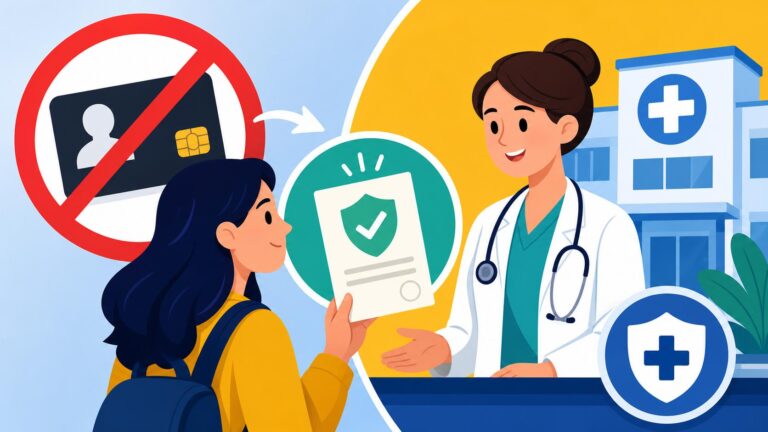
If you do see a doctor while waiting for your stickers, do not panic. Ask the doctor for a "Certificate of Care Provided" (the Attestation de Soins Donnés or Getuigschrift voor Verstrekte Hulp). This is a green or white piece of paper. Even though you don't have a sticker to put in the designated box on that form, keep it safe. Once your vignettes finally arrive, you can simply stick one on that old receipt and drop it in the Mutuelle’s mailbox. The system is designed to be retroactive. You can generally claim reimbursements for medical acts up to two years after they occurred, though I wouldn't recommend waiting that long!
While waiting for your paperwork to clear, you can also focus on preventative wellness. I often suggest people look into local health shops or iHerb for basic wellness needs to avoid unnecessary clinic visits for minor issues during the "unprotected" window. If you must go to a pharmacy, remember that pharmacists also need your stickers (or your eID card) to apply the "Third-Party Payer" system, which lowers the price of prescription meds at the counter. Without the stickers or an active eID, you will pay the full market price for every pill, which can be eye-watering.
Digital Alternatives and the Modern Vignette
We are living in a transition era in Belgium. While the physical stickers are still very much a part of the culture, the system is moving toward the eID (electronic ID card). Once your eID is fully activated with its chip and pin, most doctors will no longer ask for a physical sticker. They will simply slide your card into a reader, and the system will automatically handle the Understanding the 75% Reimbursement System for Medical Consultations through a process called eAttest. This is a godsend because it eliminates the need to mail paper receipts and wait for the Mutuelle to process them manually.
However, What Are Mutuelle Stickers Used For and Where to Put Them remains a vital topic because the digital system isn't universal yet. Hospitals, some specialists, and lab laboratories still rely on the physical vignettes to label your blood samples or your patient file. Even if your GP is high-tech, you should always carry a few stickers in your wallet for emergencies. If you find yourself in a situation where you have no stickers and no eID yet, you can often download a "Temporary Membership Certificate" from your Mutuelle's online portal. This PDF contains your member number and the necessary codes that a hospital can use to verify your coverage.
To stay on top of your digital file, you should familiarize yourself with the MyHealth.belgium.be Guide: Accessing Your Medical Records Online. Once your National Register number is active, you can log in here using the Itsme app to see your reimbursement history, even if your physical stickers haven't arrived. This portal serves as the "source of truth" for your Belgian healthcare. If your data appears correctly on MyHealth but your stickers are missing, it's a delivery issue. If MyHealth shows no insurance data, the problem lies deeper within the Mutuelle’s administrative office, and it’s time to pay them a visit in person—armed with a healthy dose of patience and perhaps a Belgian waffle to keep your spirits up.
How to Submit Medical Receipts for Reimbursement in Belgium
Once the envelope finally arrives and you have your sheet of stickers, the real work begins: getting your money back. You will likely have a backlog of those green or white paper receipts from the past few months. For each receipt, ensure the doctor has signed it and that you have placed a vignette in the box labeled "vignette de la mutualité." Do not cover any of the doctor’s stamps or signatures with your sticker, as this can lead to a rejection by the scanning machines at the health fund.
You do not need to mail these receipts through the standard post (which requires a stamp). Every Mutuelle has its own network of bright "Letter Boxes" scattered throughout the city. They are usually attached to the outside of their office branches. You simply drop your folder of stickered receipts into these boxes, and they are collected daily by internal couriers. This is the fastest way to trigger a refund. Typically, once you How to Submit Medical Receipts for Reimbursement in Belgium via the drop-box, the money will appear in your linked bank account within 5 to 10 business days.
If you are still waiting on your stickers but need a refund urgently, some Mutuelle branches allow you to visit the desk in person. If your file is "active" in their computer but the stickers were lost in the mail, the clerk can often print a single sheet of vignettes for you on the spot. I did this during my second month in Brussels after a particularly expensive trip to the dentist. It saved me weeks of waiting for a re-delivery and helped me pay my rent on time. Remember to always bring your Annex 15 or your eID whenever you visit the office, as they cannot access your file without your national number.
Disclaimer
The information provided in this guide is for educational and informational purposes only. Belgian administrative procedures, timelines, and regulations regarding healthcare and the Mutualité system are subject to change by federal and regional authorities. While every effort is made to ensure the accuracy of this content as of 2026, readers should consult their specific health insurance provider (Mutuelle/Ziekenfonds) or the Belgian Social Security office for the most current and personalized advice. This guide does not constitute legal or professional medical advice. Always consult with a qualified professional regarding health insurance coverage and residency requirements.