Medical Taxes: Are Out-of-Pocket Health Expenses Tax Deductible?
One of the most jarring experiences of moving to Belgium is seeing your first gross-to-net salary calculation, followed quickly by the realization that medical bills are still piling up despite those high contributions. I remember sitting in my Brussels apartment, staring at a stack of doctor’s receipts and wondering if I could at least claw back some of that 50% tax bracket. This guide clarifies exactly which medical expenses impact your Belgian taxes and how the system actually works.
The Hard Reality: Can You Deduct Medical Costs from Your Belgian Tax Return
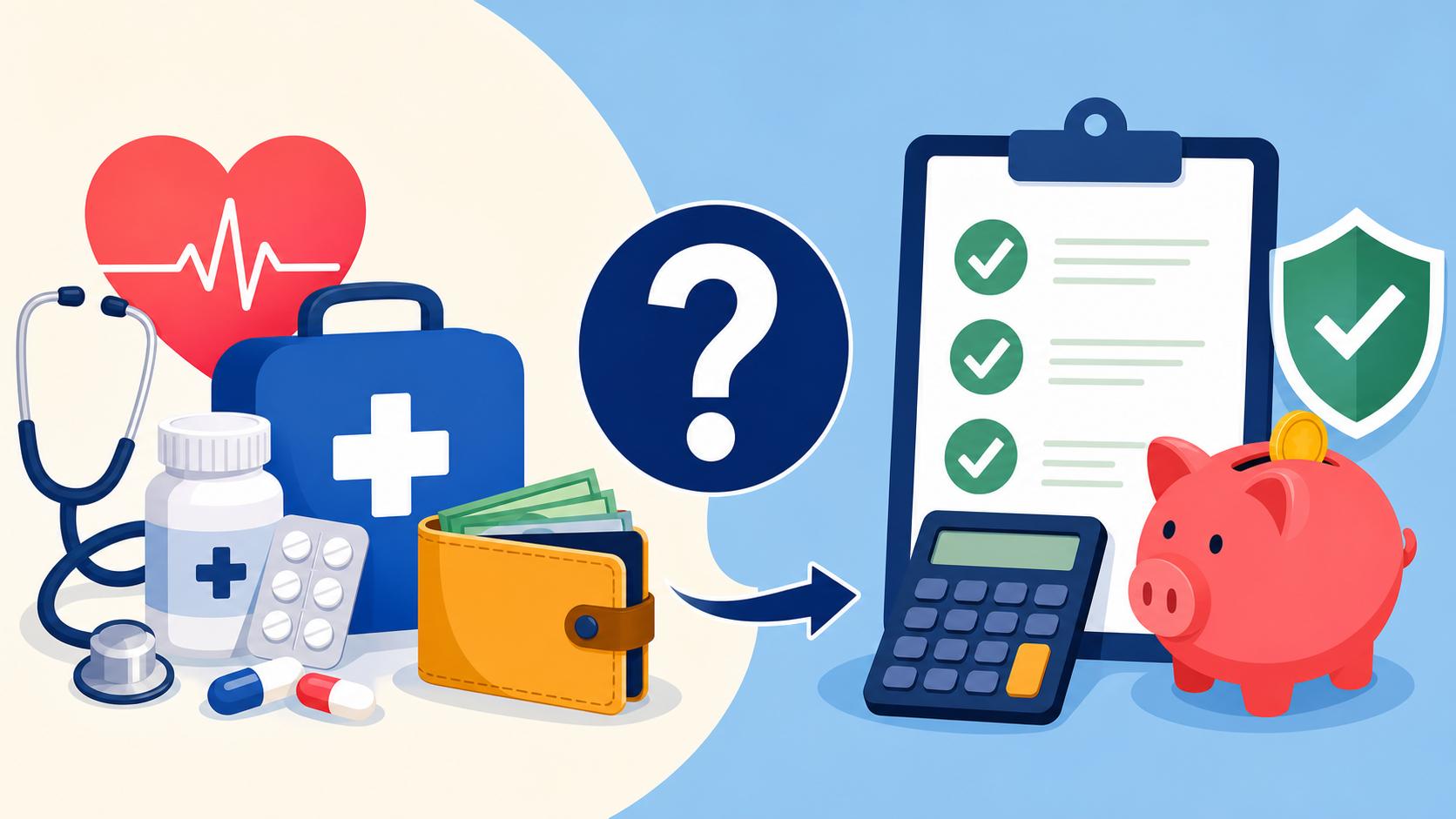
If you are coming from a country where you can subtract a significant portion of your dental or pharmaceutical costs from your taxable income, I have some news that might be hard to swallow. In the Belgian personal income tax system for 2026, general out-of-pocket medical expenses for an individual employee are not directly tax-deductible. This is a common point of confusion for many expats who expect a system similar to the United States or certain other European nations where health costs are viewed as a reduction in your "ability to pay."
Belgium operates on a "reimbursement-first" philosophy rather than a "tax-deduction" philosophy. The logic used by the Federal Public Service (FPS) Finance is that since you are already paying high social security contributions—the Social Security Contributions: How Employers Deduct Health Costs you see on your payslip—you are already entitled to a public health insurance system that covers the vast majority of your costs. Therefore, the remaining "personal share" (the ticket modérateur) is considered a private living expense, much like your groceries or your gym membership.
However, "not deductible" does not mean "not manageable." The system is designed to catch you if your costs become truly astronomical. Instead of waiting until the end of the year to file a tax return and hope for a refund, Belgium uses a real-time safety net called the Maximum Billing System (MAF): Capping Out-of-Pocket Health Costs. This system automatically tracks your out-of-pocket expenses through your eID card and, once you hit a certain threshold based on your household income, your medical care becomes essentially free for the rest of the year. It is a more proactive way of handling the financial burden than a tax deduction, though it offers less comfort when you are looking for ways to lower your high tax bill in June.
When Medical Expenses Do Impact Your Taxable Income
While the general rule is a firm "no" for your personal GP visits or standard prescriptions, there are specific scenarios where medical-related costs can influence your tax situation. This usually happens at the intersection of family care and professional status. If you are supporting dependents or running your own business, the rules change significantly.
Childcare and Medical Support for Dependents
One area where you can see a direct tax benefit is through the support of children or elderly parents living under your roof. While you can't deduct the child's cough syrup, you can deduct expenses for specialized childcare and certain home-care services that are medically necessary. In 2026, the tax-free allowance for childcare remains one of the most powerful tools for expat parents. If your child requires specific medical daycare or specialized assistance due to a disability, these costs often fall under a different tax category that provides a reduction in your total tax liability.
Furthermore, if you are paying for the care of a disabled dependent, the "tax-free sum" (the portion of your income that isn't taxed at all) increases significantly. This isn't a "deduction" of the medical bill itself, but rather a recognition by the state that your cost of living is higher, allowing you to keep more of your gross salary. I found that ensuring my dependents were correctly registered at the commune was the single biggest factor in Healthcare Budgeting: Copays, DMG/GMD, and Reimbursements during my first few years.
Professional Medical Expenses for Freelancers
If you are an independent worker or a freelancer, the line between personal and professional can sometimes blur. Generally, you still cannot deduct your personal health insurance or your own medical bills as a business expense. However, if you are required to undergo specific medical examinations, vaccinations, or health checks to perform your job (for example, if you are a pilot, a healthcare professional, or work in a high-risk industrial environment), these can often be justified as professional expenses.
For those who choose to deduct "actual professional expenses" rather than the standard flat-rate deduction on their tax return, things like ergonomic office equipment (if backed by a medical recommendation for back pain) or specialized medical equipment used in your practice are fully deductible. If you find yourself needing specific supplements or wellness products to maintain your health during high-stress periods, using a service like iHerb can help you manage costs, though these remain private expenses for tax purposes.
Hospitalization Insurance and Employer Benefits
Many expats receive hospitalization insurance as a "benefit in kind" from their employer. While the premiums paid by your employer are not taxed as income for you (making it a tax-efficient benefit), you cannot deduct the cost if you decide to pay for a private top-up yourself. However, having this insurance is critical because it covers the 25% that the public system ignores. When looking at Private Health Insurance in Belgium: When Do Expats Really Need It?, the value isn't in the tax break, but in the total elimination of hospital bills that could otherwise derail your finances. Companies like Cigna Global often provide the bridge for expats who want international coverage that the Belgian tax-on-web system doesn't explicitly reward but the reality of expat life requires.
Strategies to Manage Healthcare Costs When Taxes Wont Help
Since you cannot rely on the tax man to refund your medical spending, you have to be much more strategic about how you interface with the Belgian medical system. The difference between an "expensive" year and a "cheap" year often comes down to administrative discipline rather than actual health.
Leveraging the Global Medical Record (DMG/GMD)
The absolute first thing you should do—and I cannot stress this enough—is to ask your GP to open a Global Medical Record (Dossier Médical Global or GMD) for you. This is a digital file that centralizes your history. From a financial perspective, it is a game-changer. Once your GMD is active, the reimbursement rate for your consultations increases, and your out-of-pocket copay (the part the tax office won't help with) decreases. It is essentially an automatic, year-round discount on your healthcare. If you haven't done this yet, read our guide on The Global Medical Record (DMG/GMD): Why You Need It for Better Refunds.
Conventioned vs Non-Conventioned Doctors
Another major trap for newcomers is the distinction between "Conventioned" and "Non-Conventioned" doctors. In Belgium, the government and the medical unions agree on official pricing. "Conventioned" doctors stick to these prices. "Non-Conventioned" doctors can charge whatever they like as a supplement. Your Mutuelle will only reimburse you based on the official price, meaning the entire "supplement" comes out of your pocket. Since this supplement is not tax-deductible, it is "lost" money. You can use the Using the Rosa App: Booking Medical Consultations Online tool to filter for doctors who respect the official rates, ensuring you aren't paying more than necessary.
Using the Tiers-Payant System
Whenever possible, look for pharmacies and doctors that use the "Tiers-Payant" (third-party payer) system. In this setup, you only pay your small out-of-pocket share at the desk, and the doctor bills the insurance company directly for the rest. This is vital for your cash flow. Even if the money isn't tax-deductible, keeping it in your bank account is always better than waiting weeks for a reimbursement. For those managing chronic conditions, staying stocked on essentials through iHerb can often be cheaper than local non-prescription prices, even without a tax incentive.
| Expense Type | Tax Deductible? | Best Way to Save |
|---|---|---|
| General GP Visits | No | Open a GMD/DMG for higher reimbursements. |
| Specialized Surgery | No | Use Hospitalization Insurance (Assurance Hospitalisation): Employer Benefits. |
| Prescription Drugs | No | Use "Tiers-Payant" to pay only the copay. |
| Childcare/Medical | Indirectly | Claim through "Dependent" status on tax return. |
| Professional Health Checks | Yes (Freelance) | Deduct as actual business expenses. |
| Private Global Insurance | No | Use Cigna Global for worldwide/expat-specific needs. |
Practical Checklist for Your Next Tax Season
Even though direct medical deductions are rare, tax season is the perfect time to audit your healthcare spending and ensure you aren't leaving money on the table elsewhere. Belgian taxes are filed between May and July (for the previous year), and if you use MyHealth.belgium.be Guide: Accessing Your Medical Records Online, you can see exactly what you spent.
- Check your MAF status: Log into your Mutuelle's portal (like Partenamut or Helan) to see if you reached your Maximum Billing threshold. If you did, and you still paid for some services, you might be due a direct refund from the insurance, which is better than a tax deduction anyway.
- Audit your "Vignettes": Make sure all your paper receipts were actually submitted. With the rise of eAttest Explained: How Doctors Automatically Claim Your Refund, this is becoming rarer, but I still find the occasional "souche" at the bottom of my bag.
- Freelance review: If you are self-employed, gather any invoices for medical equipment or mandatory occupational health exams. These are your only true "deductibles."
- Premium check: Verify if your employer-paid hospitalization insurance is correctly listed on your fiche de paie (payslip). While not a deduction, it’s important for your overall Healthcare Budgeting: Copays, DMG/GMD, and Reimbursements.
- Expat Status: If you fall under the special "Expat Tax Regime," your medical reimbursements might be handled differently in your overall compensation package. Always consult with your HR or a tax professional if you have the RSMI status.
While the Belgian tax system won't reward you for being sick, the social safety net is remarkably robust once you learn how to navigate its quirks. Focus on maximizing your Understanding the 75% Reimbursement System for Medical Consultations and keeping your administrative house in order. By the time you file your taxes, you’ll realize that while you didn’t get a "medical deduction," the amount you actually spent was likely far lower than in many other countries—provided you played by the Belgian rules.
Disclaimer
This guide is intended for informational purposes only and does not constitute professional tax, legal, or financial advice. Tax laws in Belgium are subject to annual changes and indexation. We strongly recommend consulting with a certified Belgian accountant (comptable) or the Federal Public Service Finance (FPS Finance) for specific advice regarding your individual tax return and eligibility for deductions. Information regarding 2026 tax brackets and health insurance regulations is based on the most current data available at the time of writing.