Belgian Poison Centre: When to Call 070 245 245
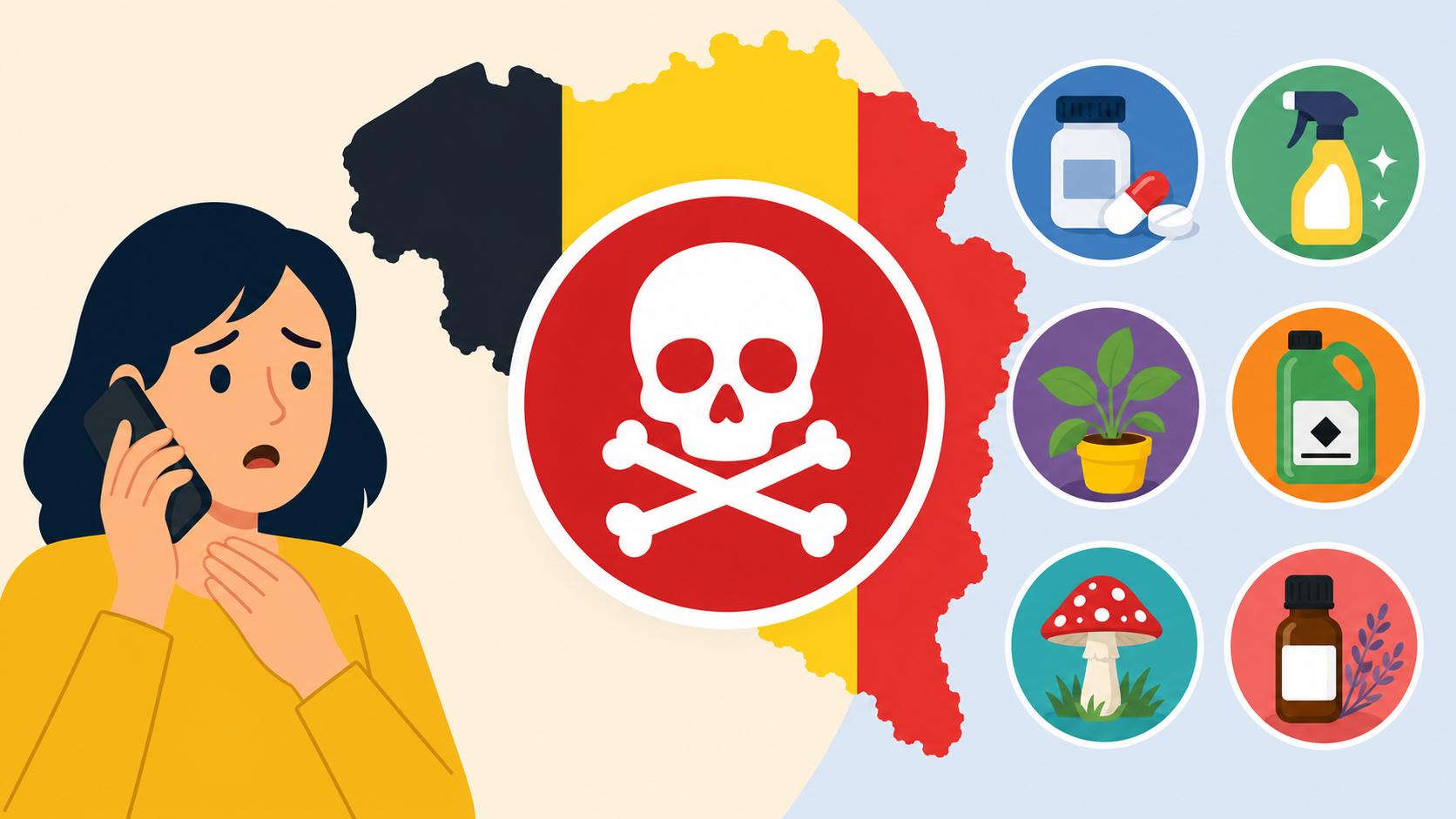
Imagine you are standing in your Belgian kitchen, and you notice your toddler has just swallowed a handful of colorful laundry pods, or perhaps you realized you accidentally took a double dose of your prescription medication because you were distracted by a looming deadline at work. I once sat on my kitchen floor in Brussels, heart racing, wondering if a weird-looking berry my dog ate in the Sonian Forest was toxic, and that paralyzing "what now?" feeling is something every expat dreads. This guide solves that panic by explaining exactly when and how to contact the Belgian Poison Centre to ensure you and your family stay safe.
Understanding the Belgian Poison Centre and How It Works
The Belgian Poison Centre, known as the Centre Antipoisons in French or the Antigifcentrum in Dutch, is a vital 24/7 emergency service that provides immediate medical advice in cases of poisoning. For many of us arriving from countries with different emergency protocols, it can be confusing to know which number to call. While we are often taught to default to Emergency Numbers: Calling 112 in Belgium and What to Expect for general crises, the Poison Centre is a specialized branch of experts—toxicologists and doctors—who deal specifically with chemical, biological, and medicinal exposure.
This service is free of charge (excluding the cost of the call) and is available every single day of the year. When you dial 070 245 245, you aren't just getting a call center operator; you are speaking with a medical professional who has access to a massive database of thousands of products sold in Belgium, ranging from industrial cleaners to the latest pharmaceutical drugs. In my first few months here, I was surprised to learn that they even help with identifying toxic plants and mushrooms, which is particularly useful if you enjoy hiking in the Ardennes or the many parks around Tervuren.
One of the most comforting aspects for expats is the language support. While the official languages are French and Dutch, many of the specialists are remarkably proficient in English. They understand that in a high-stress situation, your ability to translate "caustic soda" into "soude caustique" might vanish. They will guide you through the process calmly, which is a massive relief when you’re already dealing with the general stress of Expat Health Trauma: Support Groups for Isolation and Culture Shock.
Critical Scenarios: When to Dial 070 245 245
Knowing when to call is just as important as knowing the number. It is a common mistake to wait for symptoms to appear before seeking help. In toxicology, the window of time for certain treatments, like administering activated charcoal or inducing specific medical interventions, is often very narrow. If you suspect an exposure has occurred, you should call immediately.
Household Chemical Exposure
Belgian supermarkets carry a wide variety of powerful cleaning agents, some of which may be stronger or formulated differently than what you are used to back home. For instance, the use of concentrated bleach (Javel) is quite common here. If a child splashes cleaning fluid in their eyes or swallows a dishwashing tablet, the Poison Centre can tell you exactly how long to rinse the area or whether you should give them water to drink. Never induce vomiting unless a professional from the center specifically instructs you to do so, as this can often cause more damage to the esophagus.
If you are currently setting up your new home and stocking up on essentials, you might be ordering health and wellness products from iHerb or local retailers. While these products are generally safe, even natural supplements can be toxic in high doses. Always keep these items in their original packaging so that if an accident happens, you can read the exact ingredient list to the specialist on the phone.
Medication Errors and Overdoses
Mistakes with medication are incredibly common, especially when you are dealing with different brand names. You might be used to a specific brand of paracetamol from your home country, only to find it sold under a different name in Belgian Pharmacies (Apotheek/Pharmacie) in Belgium: Operating Hours and Services. If you or a family member accidentally takes too much of a certain drug, the Poison Centre will calculate the toxicity level based on the person's weight and the dosage ingested.
This is particularly relevant for those managing chronic conditions or those who have recently moved and are still navigating the rules of Pharmacies and Medication in Belgium: Prescriptions and OTC Rules. If you have comprehensive private coverage through a provider like Cigna Global, you might have access to additional telehealth services, but for an acute poisoning emergency, the Belgian Poison Centre remains the primary point of contact for immediate, localized advice.
Bites, Stings, and Environmental Toxins
Belgium’s beautiful nature carries its own set of risks. Depending on the season, you might encounter caterpillars with stinging hairs (processionary caterpillars), certain types of vipers in the south, or toxic mushrooms during the autumn months. If you are bitten or stung and notice an unusual reaction, the center can help determine if the local fauna is to blame. They also provide guidance on carbon monoxide (CO) poisoning, which is a serious risk in older Belgian apartments with individual gas heaters that may not have been serviced recently.
| Emergency Scenario | Primary Contact | Action to Take |
|---|---|---|
| Unconscious or not breathing | 112 | Call immediately for an ambulance. |
| Swallowed a cleaning product | 070 245 245 | Do not induce vomiting; have the package ready. |
| Splashed chemicals in eyes | 070 245 245 | Rinse with lukewarm water for 15+ minutes. |
| Dog ate a strange mushroom | 070 245 245 | Take a photo of the mushroom; describe symptoms. |
| Carbon monoxide alarm sounds | 112 | Open all windows and leave the building immediately. |
Preparing for the Call: What Information You Need
When you dial the Poison Centre, the expert will need specific details to give you the correct advice. If you can, try to have the product or medication bottle in your hand. This was a lesson I learned the hard way when I tried to describe a "blue bottle with a yellow cap" and realized there are dozens of those in the average Belgian laundry room.
The Essential Checklist
The specialist will ask for the age and approximate weight of the victim. This is crucial because a dose that is harmless for an adult can be fatal for a toddler. You will also need to explain how the poisoning happened: was it swallowed, inhaled, or did it touch the skin or eyes? If you are calling about a child, they may ask about their current behavior—are they drowsy, coughing, or complaining of pain?
Having your Medical Emergency Checklist for Your First 30 Days in Belgium handy can help you stay organized. It is also useful to have your Belgian National Register number nearby if you have one, although they will prioritize the medical advice over administrative details. If the situation is deemed serious, the specialist will tell you to go to the nearest hospital. In that case, you should know the way to the Going to the Emergency Room (Urgences/Spoedgevallen) in Belgium and bring the toxic substance with you so the doctors can see it.
Follow-up and Medical Coordination
In many cases, the Poison Centre will coordinate with your Pediatricians in Belgium: Routine Vaccines and Child Checkups or your regular GP. If they advise you to monitor the situation at home, they will give you specific "red flag" symptoms to watch for. It’s a good idea to write down the name of the person you spoke to and the time of the call, especially if you need to provide this information later for insurance claims or follow-up appointments with After-Hours Medical Care: On-Call Doctors (Garde/Wacht).
If you are using international health insurance like Cigna Global, keep a record of the Poison Centre's advice, as it may be required if you eventually need specialized treatment or a private room during a hospital stay. The center acts as the first line of defense, potentially saving you from a costly and unnecessary trip to the ER if the substance ingested is determined to be non-toxic.
Prevention and Expat Safety Tips
While the Poison Centre is an incredible resource, the goal is always to avoid needing it. Living in a new country often means using products where the warning labels are in a language you are still learning. Even if you are taking Language Learning: French and Dutch Courses for Professional Growth, technical chemical terms can be difficult to decipher.
Child-Proofing Your Belgian Home
Many Belgian homes, especially in cities like Antwerp or Ghent, are charming but older. This can mean high cupboards that are hard to reach, or conversely, a lack of modern safety latches. Make it a priority to store all cleaning products, including those "convenient" pods, in a locked cabinet. Remember that Buying Paracetamol and Ibuprofen in Belgium: Pharmacy Only Rules means you often have several small boxes of medication rather than one large bottle; these can easily be misplaced or left on a bedside table where a curious child might find them.
If you regularly order vitamins or specialized health products from sites like iHerb, be aware that "natural" doesn't mean "non-toxic." High doses of iron or certain fat-soluble vitamins can be very dangerous for children. Always keep these in their original child-resistant containers.
Creating an Emergency Plan
I always recommend that new expats print out the number 070 245 245 and stick it on their fridge or save it as a "favorite" in their phone under "Poison Centre." Don't assume you will remember it when you are in a panic. It is also wise to identify the nearest 24-hour pharmacy, as the Poison Centre might suggest you go there to buy something like a specific rehydration solution or a topical treatment. You can find these via the Pharmacies (Apotheek/Pharmacie) in Belgium: Operating Hours and Services guide.
Lastly, talk to your neighbors or fellow expat friends about their experiences. Integration isn't just about food and festivals; it's about understanding how the local safety net works. Whether you are a student in Leuven or a diplomat in Brussels, knowing that professional toxicological help is just a phone call away provides a layer of security that makes navigating your new life in Belgium much less daunting.
Important Disclaimer
The information provided in this guide is for educational and informational purposes only and does not constitute professional medical advice, diagnosis, or treatment. Always seek the advice of a qualified healthcare provider or the Belgian Poison Centre (070 245 245) immediately if you suspect a poisoning emergency. Never disregard professional medical advice or delay seeking it because of something you have read in this article.