English-Speaking Psychologists in Belgium: Therapy Access
Finding yourself in the middle of a grey Belgian winter, struggling with the "expat blues" while navigating a complex bureaucracy, can feel incredibly isolating. I remember my first year in Brussels, staring at the rain and feeling like my mental health was slipping, yet I had no idea how to find a therapist who truly understood my native tongue. This guide solves the mystery of accessing English-speaking therapy in Belgium, from finding the right professional to navigating the reimbursement maze.
Understanding the Mental Health Landscape in Belgium for Expats
Navigating the healthcare system in a new country is daunting enough when you have a physical ailment, but seeking mental health support adds an extra layer of vulnerability. In Belgium, the system is high-quality but highly fragmented, often split along linguistic and regional lines. As an expat, your first hurdle is understanding that the mental health care you receive is largely dictated by your insurance status and whether you choose the public or private route. While most Belgians rely on their Mutuelle, many internationals find that a combination of public and private coverage offers the most flexibility.
If you are just starting your journey here, it is vital to understand Finding Medical Care in Belgium: GPs, Specialists, and Hospitals because your family doctor is often the gateway to mental health services. Most expats start by seeing a General Practitioner (GP) to discuss their symptoms. In Belgium, the GP acts as a coordinator for your care. While you don't strictly need a referral to see a psychologist, having one can sometimes help with the reimbursement process depending on your specific insurance provider.
The landscape is also shifting toward more integrated care. In recent years, the Belgian government has increased funding for "first-line" psychological care, which aims to make therapy more affordable for everyone. However, the demand for English-speaking professionals is incredibly high, especially in international hubs like Brussels, Antwerp, and Leuven. This means you might encounter waiting lists, making it essential to start your search as soon as you feel the need.
The Difference Between Psychologists Psychiatrists and Coaches
One of the most confusing aspects for newcomers is the terminology used in the Belgian medical field. A psychiatrist (psychiatre) is a medical doctor who has specialized in mental health. Because they are MDs, they can prescribe medication and their consultations are heavily reimbursed by the state. If you are looking for clinical diagnosis or medical management of conditions like clinical depression or bipolar disorder, a psychiatrist is your primary contact. You can learn more about this in our guide on Accessing Mental Health Services: Psychologists vs Psychiatrists.
A psychologist (psychologue), on the other hand, typically holds a Master’s degree and focuses on talk therapy. In Belgium, the title of "Psychologist" is protected by law, meaning the practitioner must be registered with the Commission des Psychologues. This registration is your guarantee of their qualifications and adherence to an ethical code. While they cannot prescribe medication, they are the professionals you would see for regular counseling, CBT (Cognitive Behavioral Therapy), or psychodynamic therapy.
Then there is the category of "Coaches" or "Counselors." Be cautious here; these titles are not protected in Belgium. While many are highly skilled and offer valuable support for life transitions or career hurdles, they are not medical professionals and their services are rarely reimbursed by the Mutuelle. If you are struggling with deeper trauma or clinical issues, ensure your practitioner is a registered psychologist. For those with international private plans like Cigna Global, you often have the freedom to choose high-end private psychologists who operate outside the state-reimbursed system, providing faster access to care.
Language Barriers and Cultural Competency
It is a common misconception that any therapist who speaks English can provide effective "English-speaking therapy." For an expat, language is more than just a tool for communication; it is the medium of your emotional history. Finding a therapist who is not only fluent in English but also understands the "Third Culture Kid" experience or the specific stresses of international relocation is a game-changer. I’ve spoken to many expats who tried to see a local therapist who spoke "good enough" English, only to find that the cultural nuances of their home country were lost in translation.
Cultural competency is especially important when dealing with the Belgian "way of life." A local therapist might not immediately grasp why the lack of "convenience culture" in Belgium is driving you to tears, or why the administrative hurdles of the commune feel like a personal attack. An expat-focused psychologist will validate these frustrations as part of the transition process. If you are struggling with the initial move, reviewing the Medical Emergency Checklist for Your First 30 Days in Belgium can help lower your baseline stress so you can focus on your emotional well-being.
Furthermore, the legal framework for therapy varies. Some therapists are "conventioned," meaning they adhere to state-set fees, while others are "non-conventioned" and set their own rates. For English speakers, many of the best specialists are non-conventioned, meaning your out-of-pocket costs will be higher unless you have supplementary insurance. Brands like Cigna Global are frequently used by expats in this situation to bridge the gap between what the state covers and what a private specialist charges.
The Role of the Conventioned Therapist
A "conventioned" (conventionné/geconventioneerd) therapist has signed an agreement with the national health insurance institute (RIZIV/INAMI). This means they agree to charge a fixed price, and the Mutuelle provides a higher level of reimbursement to the patient. For many expats, this is the most cost-effective way to access care. However, because these spots are subsidized, the waiting lists can be months long.
When you are looking for a conventioned professional, it helps to have already completed your Mutuelle and Ziekenfonds: Public Health Insurance Registration Guide so that your administrative file is ready. Without a valid Belgian eID or social security number, accessing these subsidized rates is nearly impossible. If you are in a crisis or cannot wait, you may need to look at non-conventioned private psychologists who can often see you within a week, albeit at a higher cost.
In the public system, the government has introduced "first-line psychological care" sessions that cost as little as €11 per session (or €4 if you have an increased reimbursement status). This is a fantastic initiative, but again, finding an English speaker within this specific program requires patience and a bit of luck. Most of these professionals are found through a "GMD" or The Global Medical Record (DMG/GMD): Why You Need It for Better Refunds, as your GP will know who in their network participates in these programs.
How to Find English-Speaking Therapy and Counseling in Belgium
The search for a therapist usually begins online, but the sheer volume of directories can be overwhelming. In Belgium, several platforms cater specifically to the international community. The most well-known is the Community Help Service (CHS), which provides a 24/7 helpline in English and maintains a clinical team of English-speaking psychologists and psychiatrists. They have been a pillar of the expat community for decades and are often the first port of call for those in distress.
Another excellent resource is the Belgian Association of Psychologists (BFP-FBP) website, where you can filter by language. When searching, don't just look for "Brussels." If you live in Flanders, search for Ghent Healthcare for Expats: Finding Clinics and Translation Support or look for specialists in Antwerp. Many therapists now offer hybrid models, allowing you to do some sessions in person and others via video call, which expands your search radius significantly.
I often recommend that my fellow expats check the "Expats in Belgium" Facebook groups or local LinkedIn networks for recommendations. Word-of-mouth is powerful here. However, always verify that the recommended person is a "Registered Psychologist" to ensure you can claim your reimbursements later. Using specialized apps like Rosa or Doctena can also help you filter for language and availability, which is a lifesaver when you’re already feeling low on energy.
Using Online Directories and Expat-Focused Platforms
Platforms like Psychology Today have Belgian listings, but local sites like "Vind een Psycholoog" (in Flanders) or "Trouver un Psychologue" (in Wallonia/Brussels) are more comprehensive. These sites allow you to filter for "English" as a language of practice. When you find a profile that resonates, check if they offer a free 15-minute introductory call. This is standard practice for many private therapists and allows you to gauge if there is a "click" before you commit to a full-price session.
For those who prefer a more structured expat environment, look for clinics like the Brussels Mindfulness Institute or the International 76 clinic. These centers are built around the needs of the international community and often have multi-disciplinary teams. This means if you need both a psychologist and a referral to a specialist, they can handle it internally, saving you the stress of explaining your story multiple times to different doctors.
If you are a student or working for a large international organization, check your internal benefits. Many universities in Leuven and Ghent offer free or highly subsidized counseling for students. Similarly, many "EU Bubble" companies provide an Employee Assistance Program (EAP) that covers the first 5 to 8 sessions of therapy. Always check this before paying out of pocket, as it can save you hundreds of Euros.
Networking through GPs and Community Groups
I cannot stress enough the importance of Choosing Your First GP (General Practitioner) in Belgium early on. A good GP in an international neighborhood like Ixelles, Etterbeek, or Schaerbeek will have a "black book" of English-speaking specialists. They know which psychologists are currently taking new patients and which ones have a style that might suit you. In Belgium, the GP is your advocate; if they see you are in a bad way, they can often call a colleague to squeeze you in sooner than you could on your own.
Beyond medical circles, community groups like the "Brussels Women’s Club" or various "International Men’s Groups" often hold workshops on mental health. These are not therapy sessions per se, but they provide a sense of community that can prevent mild isolation from turning into severe depression. Talking to others who have survived the Expat Health Trauma: Support Groups for Isolation and Culture Shock can provide practical tips that a therapist might not even know, such as which local cafe has the friendliest staff or where to find a good yoga class in English.
For long-term wellness, many expats also turn to supplements to help with the lack of sunlight during the winter. You can find a wide range of vitamins and herbal supports on iHerb, which ships reliably to Belgium. While a supplement like Vitamin D or Magnesium is not a replacement for therapy, it can be a useful tool in your broader mental health toolkit, especially when combined with professional guidance.
Telemedicine and International Options
If you simply cannot find a local therapist with availability, telemedicine has become a very viable option. Many expats choose to continue therapy with a professional from their home country via platforms like BetterHelp or through private practice websites. This has the advantage of 100% linguistic and cultural alignment. However, there is a major catch: the Belgian Mutuelle will generally not reimburse sessions with a therapist based outside of Belgium.
This is where private insurance like Cigna Global becomes invaluable. Many international plans cover "global" telehealth, meaning they don't care if your therapist is in London, New York, or Brussels, as long as they are a licensed professional. If you decide to go this route, ensure you keep all your invoices and proof of payment, as the Belgian authorities are very strict about the format of medical documents.
If you are struggling with a specific diagnosis and need medication, remember that a foreign "tele-doctor" cannot write a Belgian prescription that you can use at a local pharmacy. You will still need to see a local GP or psychiatrist to "transpose" that prescription. For more on how the local pharmacy system works, see our guide on Pharmacies and Medication in Belgium: Prescriptions and OTC Rules.
Navigating Costs and Mutuelle Reimbursements for Mental Health
The cost of therapy in Belgium can be a shock if you are used to a fully socialized system or a completely private one. On average, a private session with an English-speaking psychologist will cost between €60 and €90 per hour. If you see a psychiatrist, the cost might be higher, but the reimbursement from the state is also significantly higher. Understanding how to get your money back is essential for making therapy sustainable in the long run.
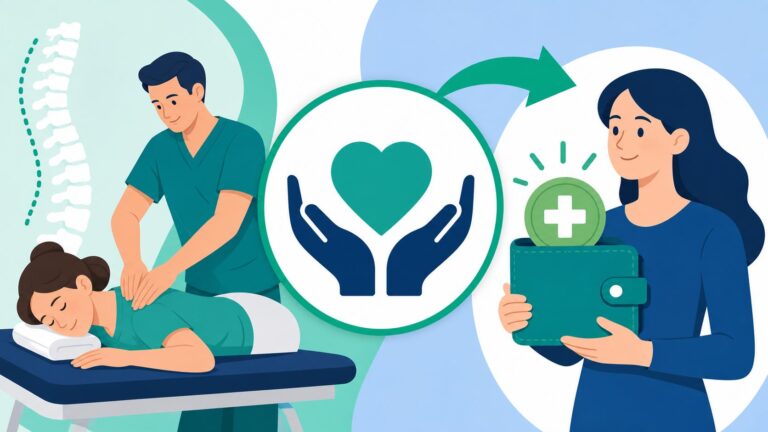
The reimbursement system is two-tiered. First, there is the "compulsory" insurance (the state part), and then there is the "supplementary" insurance (the part provided by your specific Mutuelle like Partenamut or Helan). Most Mutuelles offer a package for mental health that covers a set amount per session (usually €10 to €20) for a limited number of sessions per year (often 8 to 12). To claim this, you usually need to download a specific form from your Mutuelle’s website and have your psychologist sign it.
| Provider Type | Average Cost (Private) | Mutuelle Reimbursement | With Private Insurance (e.g. Cigna) |
|---|---|---|---|
| Psychiatrist (MD) | €80 – €120 | ~75% of the official rate | Often 90% – 100% |
| Psychologist | €60 – €95 | €10 – €20 per session | Depends on plan (usually high) |
| Conventioned Psych | €11 – €15 | Covered at source | N/A |
| Online/Telehealth | €50 – €100 | Usually €0 | Often 100% |
Public System vs. Private Insurance Coverage
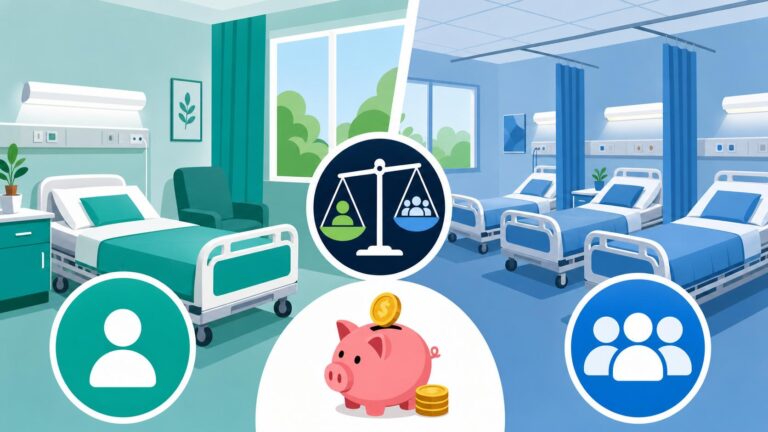
The Belgian public health system is excellent for crisis care and long-term psychiatric needs. If you are hospitalized for mental health reasons, the costs are largely covered. However, for "everyday" therapy, the public system can feel stingy. This is why Private Health Insurance in Belgium: When Do Expats Really Need It? is one of our most-read topics. Private insurance allows you to bypass the "€20 refund" limit and often covers the full cost of private psychological care without session limits.
For example, many Cigna Global plans include mental health modules that recognize that expats face unique challenges. This is particularly helpful because it covers non-conventioned English speakers who are often the only ones with immediate openings. If you are relying solely on the public system, you must be prepared for the Dealing with Long Wait Times for Specialist Appointments in Belgium which can be particularly frustrating when you are in the middle of a mental health dip.
It is also worth noting that if you have a "Global Medical Record" managed by your GP, your out-of-pocket costs for psychiatrist visits are reduced. This is a simple administrative step that any resident can take. Make sure to ask your doctor to open your GMD during your first visit to ensure you are getting the Understanding the 75% Reimbursement System for Medical Consultations that you are entitled to.
Step-by-Step Guide to Claiming Refunds
Claiming your refund for a psychologist visit isn't automatic like it is with many GPs who use "eAttest." Most psychologists will give you a paper receipt or a signed form at the end of the session. You then need to submit this to your Mutuelle. Most Mutuelles have excellent apps where you can simply take a photo of the document and upload it.
- Check your Mutuelle’s specific form: Each provider (Solidaris, CM, Partenamut, etc.) has its own template for "Psychological Support."
- Bring the form to your session: Ask your psychologist to fill it out and sign it. They are very used to this.
- Submit via App or Drop-box: You can use the app or find one of the many white mailboxes scattered around the city.
- Wait for the transfer: The refund usually hits your Belgian bank account within 5 to 10 business days.
If you are seeing a psychiatrist, they might use the "Tiers Payant" system, where you only pay the "patient contribution" (ticket modérateur) at the time of the visit. This is much easier on the wallet. If you are struggling with the cost, don't be afraid to discuss it with your therapist. Many have a "sliding scale" fee for students or those in financial difficulty.
Dealing with Long Wait Times for Specialist Appointments
One of the hard truths about Mental Health in Belgium: Therapy, Psychiatry, and Expat Support is that the system is currently under significant strain. If you call a psychiatrist today, don't be surprised if their first available appointment is three months away. This can feel like a rejection when you are already struggling.
To navigate this, I recommend a "multi-pronged" approach:
- Call your GP: They can often find "emergency" slots that are not visible to the public.
- Use CHS: The Community Help Service often has a faster intake process for their clinical team.
- Consider a Psychologist first: While you wait for a psychiatrist appointment, a psychologist can provide immediate support and help you manage symptoms.
- Check private clinics: Places like the Mapre clinic or other private hubs often have more capacity if you are willing to pay the private rate or have private insurance.
Specific Support for Expat-Related Mental Health Challenges
Expats face a unique set of stressors that locals often don't understand. There is even a term for it: "Expat Syndrome." This isn't just about missing home; it's the cumulative stress of navigating a new language, a new legal system, and a different social code, all while trying to perform in a high-pressure job. In Belgium, where the social circles can be quite "closed" (many Belgians stay close to their childhood friends), the sense of isolation can be profound.
I’ve seen many friends go through this, and the key is catching it early. Whether it’s the Burnout Leave in Belgium: Medical Diagnosis and Employment Protection or just a general sense of "not belonging," talking to a professional who understands the expat journey is vital. They can help you distinguish between a temporary "adjustment disorder" and more serious clinical depression.
Moreover, the "EU Bubble" in Brussels has a very specific work culture that can lead to high rates of burnout. The pressure to be multilingual and the constant "temporary" nature of many contracts create a sense of instability. If you find yourself in this cycle, seeking out a psychologist who specializes in work-related stress is a smart move. They can even help you with the documentation needed if you need to take a medical leave from work.
Burnout Isolation and Culture Shock
Belgium is famous for its "burnout" rates, and the legal system has specialized paths for those suffering from it. If a psychiatrist diagnoses you with burnout, you are entitled to protected leave and a percentage of your salary. This is a level of support that many expats are surprised by, but it requires careful navigation of the medical and employment laws.
Isolation is another major factor. Even if you are surrounded by people at work, the lack of "deep" friendships can lead to a quiet kind of despair. Therapy in this context often focuses on "behavioral activation"—finding ways to engage with the community despite the language barrier. Your therapist might suggest Expat Health Trauma: Support Groups for Isolation and Culture Shock as a way to supplement your individual sessions.
Culture shock isn't just about the first six months. It can hit in waves—sometimes years later when you realize you still don't quite understand the "rules" of Belgian social life. A good psychologist will help you build "cultural resilience," teaching you how to navigate the local environment without losing your own identity in the process.
Neurodiversity and Specialized Support
For expats with ADHD, Autism, or other neurodivergent traits, Belgium can be both a blessing and a curse. The diagnostic process for adults is thorough but can be very slow. If you are moving here with a pre-existing diagnosis, make sure you bring all your medical records, preferably translated into French or Dutch (though many specialists will accept English records).
Finding a psychiatrist who specializes in adult ADHD and is comfortable prescribing medication in Belgium is a specific challenge. Some medications that are common in the US or UK are more strictly regulated here. You will need a Belgian specialist to oversee your treatment. There are excellent English-speaking neurodiversity coaches and psychologists in Brussels and Antwerp who can help you navigate the workplace and home life while you wait for a formal psychiatric appointment.
Specialized clinics like the "Centrum voor Ontwikkelingsstoornissen" (COS) in Flanders or various private centers in Brussels offer multi-disciplinary assessments. While these can be expensive, they provide the "gold standard" of care that is often required for workplace or school accommodations.
Crisis Management and Emergency Contacts
If you or someone you know is in an immediate mental health crisis, do not wait for a psychologist's appointment. Belgium has a robust emergency system. You can call 112 for an ambulance or go to the "Urgences/Spoedgevallen" department of any major hospital. Many hospitals in Brussels, such as CHU Saint-Pierre or Erasme, have psychiatric emergency teams on site 24/7.
For those who need to talk to someone immediately but are not in a life-threatening situation, the Community Help Service (CHS) operates a 24/7 English-speaking helpline at 02 648 40 14. This is a volunteer-run service that provides a listening ear and can refer you to more intensive support if needed. It is a lifeline for the expat community and something every newcomer should have saved in their phone.
Lastly, remember that the "dark seasons" in Belgium are real. Seasonal Affective Disorder (SAD) is very common here. If you find your mood dipping significantly every November, talk to your GP about light therapy or vitamin D supplements, which you can easily source from iHerb. Taking proactive steps can prevent a seasonal dip from becoming a long-term crisis.
Healthcare in Belgium Disclaimer
This guide is intended for informational purposes only and does not constitute professional medical advice, diagnosis, or treatment. The Belgian healthcare system and its reimbursement rules are subject to frequent changes. Always consult with a qualified healthcare professional or your Mutuelle representative regarding your specific medical needs and insurance coverage. The author is an expat sharing personal experiences and research, not a licensed medical professional or insurance broker.